
Wisconsin Non-Renewal After Tickets: 60-Day Notice Rules
Free to compare
Wisconsin carriers can non-renew you at policy expiration without proving cause — but pointed-record drivers trigger non-renewal far more often than clean-record drivers
Wisconsin law permits carriers to non-renew any policy at its expiration date without stating a reason, as long as they deliver written notice at least 60 days before expiration. This is not mid-term cancellation, which requires cause and carries heavier consequences. Non-renewal is the standard exit mechanism carriers use when underwriting models flag a risk profile they no longer want to carry.
Drivers with points trigger non-renewal at predictable thresholds. Most preferred carriers non-renew automatically at 2-3 violations within three years, even if you have not crossed Wisconsin's 12-point suspension threshold. A single speeding ticket of 11-15 mph over adds 3 points; a second ticket within 36 months puts you at 6 points on the DMV record and two violations on the carrier's underwriting screen. That second violation is often the threshold that triggers the non-renewal decision six months before your next expiration date.
The 60-day notice window determines whether you have time to shop multiple standard and non-standard carriers or face a lapse gap. If the carrier mails notice exactly 60 days out and you receive it 5 days later, you have 55 days to bind new coverage before expiration. If the carrier delays notice to 45 days out, you have less than six weeks to compare quotes in a market where pointed-record drivers face longer underwriting timelines and fewer carriers willing to quote immediately.

Non-renewal differs from mid-term cancellation — non-renewal happens at expiration, cancellation happens during the policy period and requires statutory cause
Wisconsin statute permits mid-term cancellation only for specific causes: nonpayment of premium, fraud or material misrepresentation on the application, suspension or revocation of the driver's license, or substantial increase in hazard. A carrier cannot cancel mid-term simply because you received a speeding ticket or at-fault accident during the policy period. That violation will appear on your next renewal underwriting review, where the carrier can choose to non-renew at expiration.
Mid-term cancellation for nonpayment requires 10 days' written notice. Cancellation for fraud, misrepresentation, or license suspension requires 30 days' notice. These are harder timelines than the 60-day non-renewal window, and mid-term cancellation triggers an immediate coverage gap if you do not bind replacement coverage before the cancellation effective date.
Non-renewal avoids the gap if you act during the 60-day notice period. The existing policy stays in force through its expiration date. You have the full notice window to shop, bind, and activate new coverage with an effective date matching the expiration date of the non-renewed policy. The risk is procrastination — if you receive the notice 60 days out but wait until 10 days before expiration to start shopping, you compress the replacement timeline into a window where most non-standard carriers cannot complete underwriting and issue a binder.


Most preferred carriers enforce non-renewal at 2-3 violations within three years, even when DMV points have not triggered suspension
Wisconsin's DMV point system suspends your license at 12 points within 12 months. A speeding ticket of 11-15 mph over the limit adds 3 points; 16-19 mph over adds 4 points; 20-24 mph over adds 6 points. Two tickets at the 11-15 mph tier put you at 6 DMV points, well below the suspension threshold — but those same two tickets put you at two violations on the carrier's underwriting screen.
Preferred carriers like State Farm, American Family, and Auto-Owners typically non-renew at two violations within 36 months, regardless of point totals. Standard carriers like Progressive and Travelers accept up to three violations but surcharge heavily and non-renew at the fourth. Non-standard carriers like Dairyland and The General accept four or more violations but price coverage 40-70% higher than standard-market rates.
The multi-violation threshold is not published in carrier policy documents or disclosed at the time of the first violation surcharge. Drivers discover the threshold when the non-renewal notice arrives 60 days before expiration, six months after the second or third violation. Under current state underwriting rules, carriers are not required to warn policyholders that one more violation will trigger non-renewal — the 60-day notice is the first formal signal that the policy will not continue.
The 60-day notice window determines whether you can shop multiple carriers or face a lapse gap — and pointed-record drivers need the full 60 days
Wisconsin law requires 60 days' written notice before non-renewal, measured from the date the carrier mails the notice to the date the policy expires. If your policy expires on July 1 and the carrier mails notice on May 2, you receive 60 days. If the carrier mails notice on May 15, you receive 47 days — still compliant under the statute, which sets 60 days as the floor but does not penalize earlier notice.
Pointed-record drivers need the full 60 days because non-standard carriers take longer to quote and bind. Preferred carriers decline or non-renew within 24-48 hours of pulling your motor vehicle report. Standard carriers quote within 3-7 days but require additional underwriting review for two or more violations. Non-standard carriers take 7-14 days to issue a binder, and some require a down payment of 25-35% of the six-month premium before binding coverage.
If you wait until 30 days before expiration to start shopping, you compress the replacement timeline into a window where most non-standard carriers cannot complete underwriting and collect payment before the expiration date. The result is a lapse gap — even one day of lapse triggers a suspension of your registration under Wisconsin's proof-of-insurance law, and the lapse appears on your insurance history when the next carrier pulls your loss record. That lapse adds 10-20% to the already-elevated rate you face as a pointed-record driver.

Put Your Record Up Against Every Rate
Compare Rates for Your Driving Record
Wisconsin law does not require carriers to state the reason for non-renewal in the 60-day notice — but the notice must include the effective date and the option to request information
The 60-day non-renewal notice must state the policy number, the expiration date, and confirmation that the carrier will not renew coverage beyond that date. Wisconsin statute does not require the carrier to explain why — no obligation to cite the violations, the underwriting threshold, or the specific risk factor that triggered the non-renewal decision.
Most carriers include a generic reason category on the notice: "underwriting guidelines," "loss history," or "changes in risk profile." These phrases confirm the non-renewal but do not disclose the threshold. The statute permits you to request additional information from the carrier within 30 days of receiving the notice, but the carrier is only required to confirm the non-renewal decision and cite the general category — not the specific violation count or point total.
If you have received a non-renewal notice and do not know which violations triggered the decision, request a copy of your motor vehicle report from the Wisconsin DMV. The report shows all violations, point values, conviction dates, and the expiration date for each entry. Carriers pull the same report during underwriting. Comparing your MVR to the carrier's notice timeline shows which violations were visible at the time of the non-renewal decision.
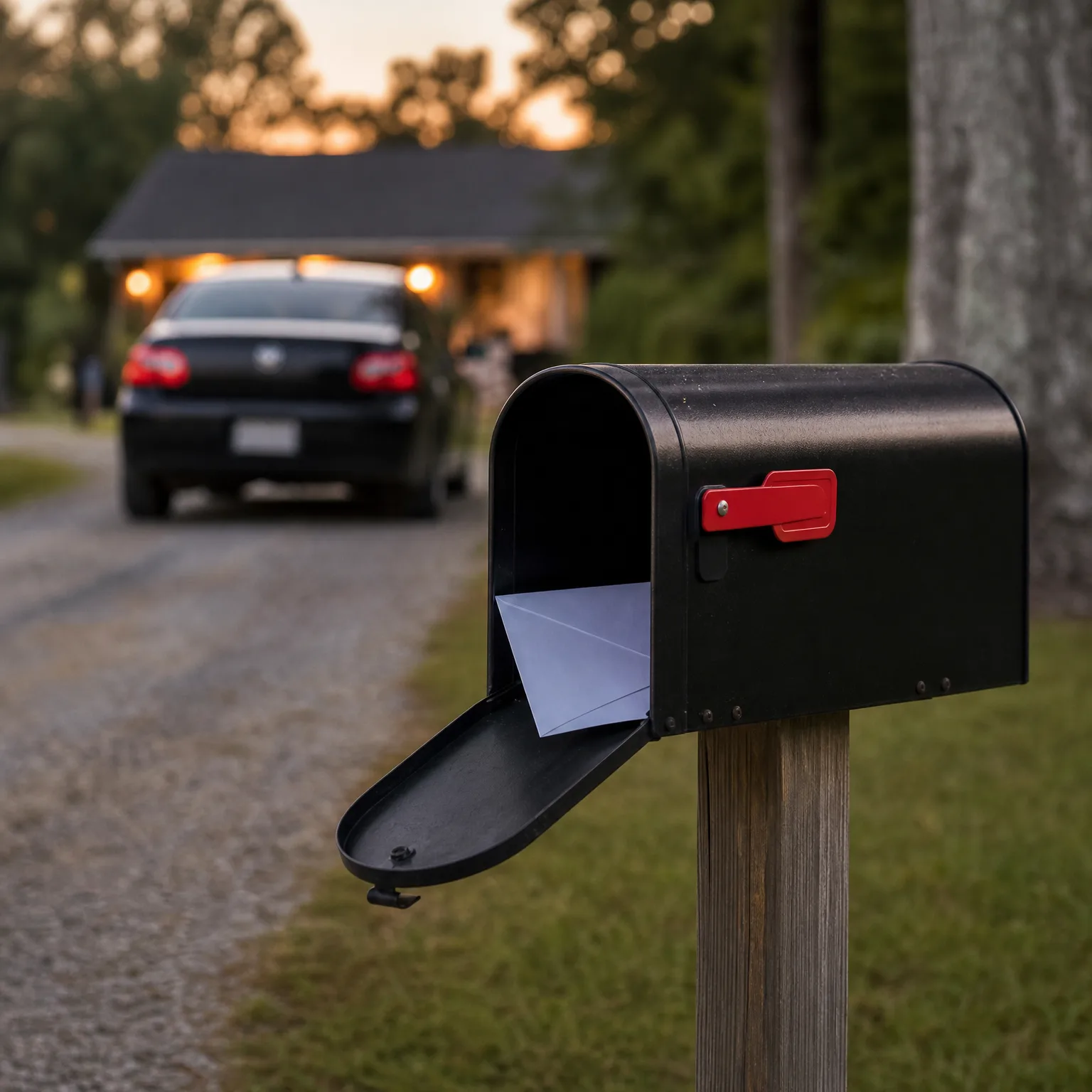
Non-renewal after multiple violations does not prevent you from buying coverage — but it shifts you from preferred to standard or non-standard carriers at higher rates
Non-renewal does not block you from buying auto insurance. Wisconsin law requires all carriers writing auto insurance in the state to offer liability coverage to any licensed driver who applies, though the carrier can price that coverage based on the driver's full loss and violation history. The practical consequence of non-renewal is market tier shift — you move from preferred carriers pricing coverage at $90-$130/mo for state minimums to standard carriers pricing the same coverage at $150-$210/mo, or non-standard carriers pricing it at $210-$290/mo.
Carriers writing non-standard auto insurance in Wisconsin include Dairyland, The General, Bristol West, Acceptance, and National General. These carriers specialize in pointed-record, lapsed-coverage, and SR-22-required drivers. They accept four or more violations within three years, but they price that risk with surcharges that stack on top of the base rate. A driver with three speeding tickets and one at-fault accident within 36 months can expect non-standard rates 60-85% higher than the preferred-market rate they paid before the first violation.
Non-standard coverage typically includes higher down payments, shorter payment plans, and stricter cancellation terms for nonpayment. Most non-standard carriers require 25-35% down and offer monthly payment plans with 7-10 day grace periods, compared to preferred carriers that accept 10-15% down and offer 15-20 day grace periods. Missing one payment triggers a 10-day cancellation notice, and reinstatement after cancellation often requires paying the full outstanding balance plus a reinstatement fee.
If you complete a Wisconsin traffic safety course after receiving a non-renewal notice, the course removes 3 points from your DMV record but does not reverse the non-renewal decision already made
Wisconsin permits drivers to complete an approved traffic safety course once every three years to remove up to 3 points from their DMV record. The course must be completed before the points expire naturally — points assigned to violations stay on your record for 12 months from the conviction date, but the violation itself stays visible on your motor vehicle report for 3-5 years depending on severity.
Completing the course after receiving a non-renewal notice removes 3 points from your current DMV total, but it does not change the carrier's non-renewal decision. The carrier's underwriting review occurred 60-90 days before the notice was mailed. The violation history that triggered the non-renewal is already locked into the decision. The course completion will appear on your MVR when the next carrier pulls your record during the replacement shopping process, and it may improve your rate with the new carrier — but it does not obligate the non-renewing carrier to reverse its decision or extend the policy beyond the expiration date.
If you have not yet received a non-renewal notice but you are approaching the two-violation or three-violation threshold most carriers enforce, completing the course immediately after the second violation reduces your DMV point total before the next underwriting review. Carriers review your loss and violation history at every renewal, typically 60-90 days before expiration. A course completion that appears on your MVR at the time of that review may keep you below the non-renewal threshold — but only if the course removes enough points to drop you below the violation count the carrier enforces, and most carriers count violations, not points, when setting non-renewal thresholds.
Frequently Asked Questions
Can my car insurance company drop me in Wisconsin without giving a reason?
Yes, but only at policy expiration with at least 60 days' written notice — this is called non-renewal, not mid-term cancellation. Wisconsin law permits carriers to non-renew any policy at expiration without stating a specific reason, though most non-renewals of pointed-record drivers follow two or three violations within three years.
How much notice does my carrier have to give before non-renewing my policy in Wisconsin?
Wisconsin statute requires at least 60 days' written notice before the policy expiration date. The notice must state the policy number, the expiration date, and confirmation that coverage will not continue, but the carrier is not required to explain why unless you request additional information within 30 days of receiving the notice.
What is the difference between non-renewal and cancellation in Wisconsin?
Non-renewal happens at policy expiration after 60 days' notice and requires no stated cause. Mid-term cancellation happens during the policy period, requires 10-30 days' notice depending on the cause, and is only permitted for nonpayment, fraud, license suspension, or substantial increase in hazard. Non-renewal is the standard exit for pointed-record drivers who have not committed fraud or lost their license.
If I get non-renewed after two speeding tickets, can I still buy car insurance in Wisconsin?
Yes — non-renewal shifts you from preferred carriers to standard or non-standard carriers, but it does not block you from buying coverage. Drivers with two or more violations typically move to standard carriers like Progressive or Travelers, or non-standard carriers like Dairyland and The General, at rates 40-85% higher than preferred-market pricing.
Does completing a Wisconsin traffic safety course reverse a non-renewal decision?
No — the course removes 3 points from your DMV record but does not change a non-renewal decision already made. The carrier's underwriting review occurred 60-90 days before the notice was mailed, and the violation history is locked into that decision. The course completion may improve your rate with the replacement carrier, but it does not obligate the non-renewing carrier to extend your policy.
Related Articles

When Points Fall Off in Wisconsin: 5-Year Timeline
5/18/2026

Non-Renewal After Violations: Colorado 30-Day Notice
5/18/2026

Non-Renewal Notice: What It Looks Like and Your Timeline
5/18/2026

Shopping for Insurance After Non-Renewal With Points
5/18/2026

Missouri Non-Renewal: 6-Month Notice and Your Options
5/18/2026

Multiple Speeding Tickets: Non-Renewal Trigger Explained
5/18/2026