
Pennsylvania Points Suspension: The 5-Day Mail Window
Free to compare
Pennsylvania suspends at 6 points, but the notice arrives 5 days after you cross the threshold
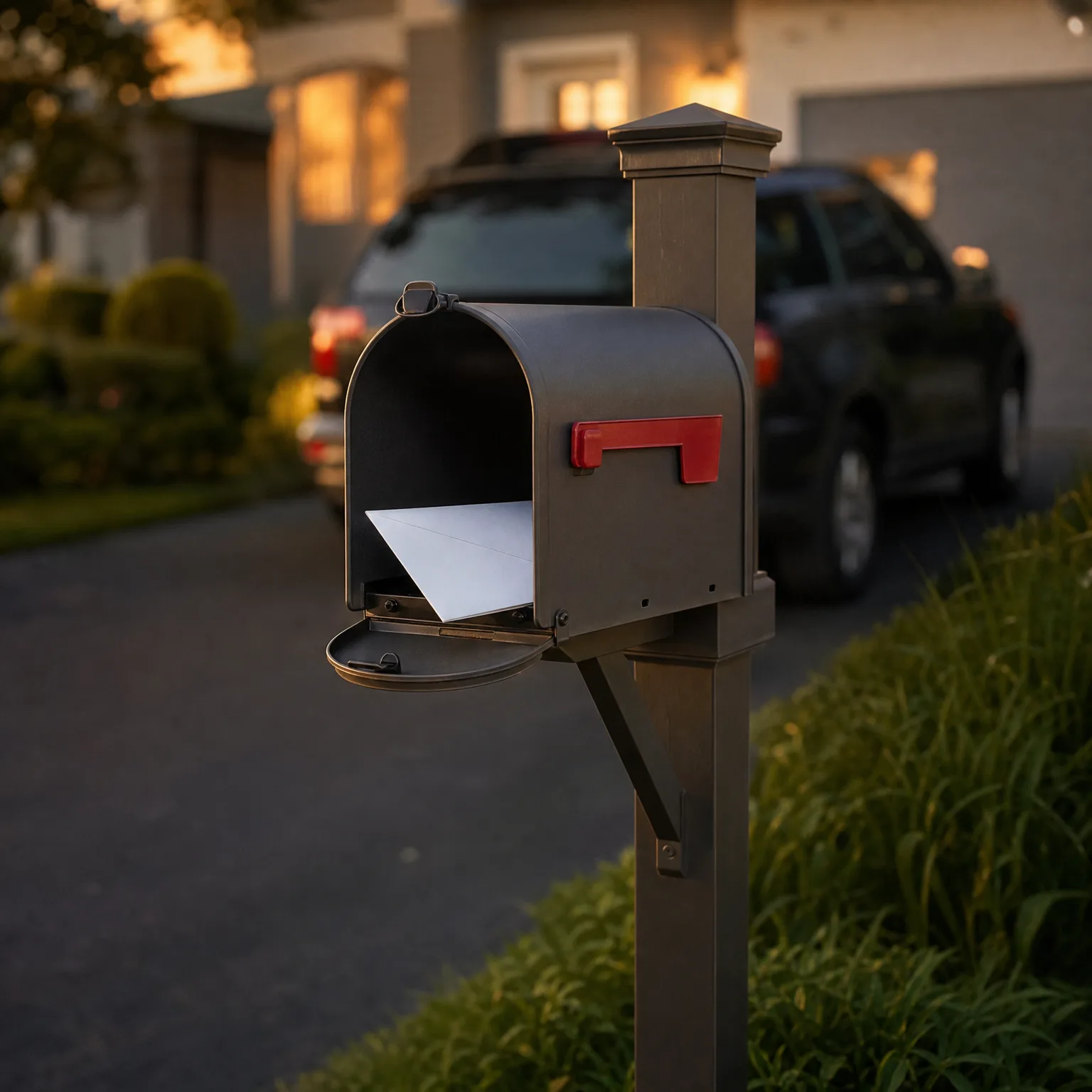
Pennsylvania's Department of Transportation suspends your license when you accumulate 6 or more points within 2 years. The suspension letter is mailed 5 business days after the conviction that pushes you over 6 points posts to your driving record. That letter gives you 15 calendar days from the postmark date to surrender your license or file an appeal.
Most drivers don't know they've crossed 6 points until the letter arrives. A speeding ticket of 11-15 mph over the limit adds 3 points. A second ticket within 18 months puts you at 6 points, triggering the suspension automatically. The 5-day mailing delay means the letter typically arrives 7-9 days after the threshold conviction posts, leaving you with 6-8 days of actual decision time before the suspension begins.
If you miss the 15-day window, the suspension converts from administrative to mandatory. You lose the right to appeal, and your license is suspended for 15 days for a first 6-point suspension, 30 days for a second offense, and 60 days for a third or subsequent offense. During suspension, Pennsylvania law prohibits all driving, including work commutes. No restricted license is available for points-only suspensions.

What to do in the first 72 hours after receiving the suspension notice
Check the postmark date on the envelope, not the date you opened it. Your 15-day deadline starts from the postmark. If the letter is postmarked June 1, your deadline to surrender your license or file an appeal is June 16.
Request a certified copy of your driving record from PennDOT within 24 hours. The $11 record shows the conviction dates, point values, and the running point total. If any conviction is listed incorrectly or if you completed a point-reduction course that hasn't posted, you have grounds to challenge the suspension total. The certified record is required if you file an appeal.
Decide whether to appeal or serve the suspension. An appeal hearing postpones the suspension until the hearing date, typically 30-45 days out. You continue driving during that window. If you lose the appeal, the suspension begins immediately after the hearing. If you choose to serve the 15-day suspension without appeal, surrender your license to PennDOT by the deadline and schedule the suspension start date for a time that minimizes disruption. Missing the surrender deadline extends the suspension by the number of days you drove past the deadline.


How Pennsylvania calculates the 6-point threshold and what violations trigger it fastest
Pennsylvania uses a 2-year rolling window. Points stay on your record for 2 years from the violation date, not the conviction date. A speeding ticket issued January 15, 2023 drops off your point total January 15, 2025, even if the court conviction wasn't entered until March 2023.
Common violations that push drivers to 6 points: speeding 11-15 mph over (3 points) plus a second speeding ticket of any level (2-5 points depending on speed), or a single speeding ticket of 31+ mph over the limit (5 points) combined with any other 2-point violation like following too closely or failure to yield. A single careless driving conviction adds 3 points; an at-fault accident with a careless driving citation adds 3 points plus the accident surcharge on your insurance.
Pennsylvania does not offer a point-reduction course for drivers who have already crossed 6 points and received a suspension notice. The state's Point Reduction Course can remove up to 3 points, but only if completed before the suspension letter is mailed. Once the suspension is triggered, the course does not reduce the suspension period or remove the suspension from your record.
Insurance impact begins at the first ticket, not at suspension
Pennsylvania carriers run Motor Vehicle Reports at renewal and after mid-term policy changes. A 3-point speeding ticket typically increases your premium 15-28% at the next renewal, regardless of whether you later accumulate enough points to trigger suspension. The rate increase lasts 3 years from the violation date on most carriers' surcharge schedules, even though PennDOT removes the points after 2 years.
A license suspension for points adds a second surcharge layer. Carriers classify a points suspension as a major violation, similar to a DUI, because it signals repeat behavior. Expect an additional 30-50% rate increase when the suspension posts to your MVR. Some preferred carriers non-renew policies after a suspension, forcing you into the standard or non-standard market where rates run $180-$310/mo for minimum liability coverage.
Pennsylvania does not require SR-22 filing for points-only suspensions. SR-22 is triggered by DUI convictions, uninsured-motorist accidents, or accumulation of specific serious offenses. If your suspension is points-only, you reinstate by serving the suspension period, paying the $25 restoration fee, and providing proof of insurance to PennDOT. Your carrier does not file an SR-22 unless a separate trigger applies.

Put Your Record Up Against Every Rate
Compare Rates for Your Driving Record
Reinstatement process after serving the suspension
Pennsylvania requires you to wait out the full suspension period before reinstating. A 15-day suspension means 15 consecutive days with no driving. The suspension start date is either the deadline listed in the notice letter or the date you surrender your license, whichever comes first.
After the suspension ends, pay the $25 restoration fee online through PennDOT's Driver and Vehicle Services portal or in person at a Driver License Center. The fee must be paid before your driving privileges are restored. Provide proof of insurance to PennDOT at the time of reinstatement—a current insurance ID card or an SR-22 certificate if a separate filing requirement applies.
Your license is reinstated immediately after the fee is paid and insurance is verified. No retest is required for points-only suspensions under 90 days. If your suspension extended beyond 90 days due to missed deadlines or multiple offenses, PennDOT may require a knowledge retest or driver improvement school before reinstatement. Check your suspension letter for specific reinstatement conditions.
How carriers in Pennsylvania treat drivers with suspended licenses
Preferred carriers like State Farm, Erie, and Nationwide typically decline new applicants with a suspension on record and non-renew existing policies at the renewal following suspension. Standard carriers like Progressive and GEICO quote drivers with one suspension but apply surcharges of 40-60% above base rates for 3 years.
Non-standard carriers writing in Pennsylvania include Dairyland, The General, and National General. Monthly premiums for minimum liability coverage ($15,000/$30,000/$5,000) range from $180-$310/mo after a points suspension, compared to $85-$140/mo for clean-record drivers in the standard market. Full coverage with collision and comprehensive runs $290-$480/mo in the non-standard market.
Some drivers maintain coverage during suspension to avoid a lapse on their insurance history. A 15-day lapse after suspension triggers Pennsylvania's lapse penalty: a $300 fine and possible extension of the suspension period. Carriers also apply lapse surcharges of 10-15% at reinstatement, compounding the suspension surcharge. Keeping coverage active during suspension costs more than reinstating after a lapse only if the lapse extends beyond 30 days.
What happens if you ignore the suspension notice
Driving on a suspended license in Pennsylvania is a summary offense on the first violation, punishable by a fine of $200 plus court costs and an additional 6-month suspension. A second driving-under-suspension charge within 5 years is a third-degree misdemeanor, carrying a $500-$2,500 fine, up to 90 days in jail, and a 12-month suspension extension.
If you're stopped while driving under suspension, the officer impounds your vehicle on the spot. Towing and storage fees run $150-$400, and you cannot retrieve the vehicle until you prove your license is reinstated. The conviction posts to your driving record and triggers a second round of insurance surcharges, often doubling your premium or causing immediate policy cancellation.
Pennsylvania State Police and local departments run automated license plate recognition systems that flag suspended drivers in real time. The risk of detection increases every day you drive past the suspension deadline. Serving the 15-day suspension immediately is faster and cheaper than defending a driving-under-suspension charge and serving the extended suspension that follows conviction.
Frequently Asked Questions
Can I drive in Pennsylvania while my suspension appeal is pending?
Yes. Filing an appeal within 15 days of the suspension notice postmark postpones the suspension until your hearing date, typically 30-45 days out. You retain full driving privileges during that window. If you lose the appeal, the suspension begins immediately after the hearing.
Does completing a point reduction course remove a suspension that's already been issued?
No. Pennsylvania's Point Reduction Course removes up to 3 points only if completed before the suspension notice is mailed. Once PennDOT issues the suspension letter, the course does not reduce the suspension period or clear the suspension from your record.
How long does a points suspension stay on my Pennsylvania driving record?
The suspension remains on your PennDOT driving record permanently as a historical event. Insurance carriers typically surcharge for the suspension for 3 years from the end date of the suspension, matching their lookback window for major violations.
Do I need SR-22 insurance after a Pennsylvania points suspension?
No, unless a separate violation triggered the SR-22 requirement. Pennsylvania requires SR-22 filing after DUI convictions, uninsured-motorist accidents, or accumulation of serious offenses. Points-only suspensions require proof of insurance at reinstatement but not SR-22 certification.
What happens to my insurance rate if I get a second points suspension in Pennsylvania?
A second suspension within 3-5 years moves most drivers into the non-standard market permanently. Preferred and standard carriers typically cancel policies after a second suspension. Non-standard market rates run $220-$380/mo for minimum liability, 60-80% higher than after a first suspension.
Related Articles

PA 6-Point Suspension: When SR-22 Filing Applies
5/18/2026

Check Your Pennsylvania Point Total: PennDOT Portal
5/18/2026

Pennsylvania 6-Point Trigger: Insurer Actions at 5
5/18/2026

PA 6-Month Non-Renewal Notice Rule After 5 Points
5/18/2026

When Points Fall Off Your Record in Pennsylvania
5/18/2026

School Bus Violation Points in PA: 5-Point Impact
5/18/2026