What Affects Rates in Tuscaloosa
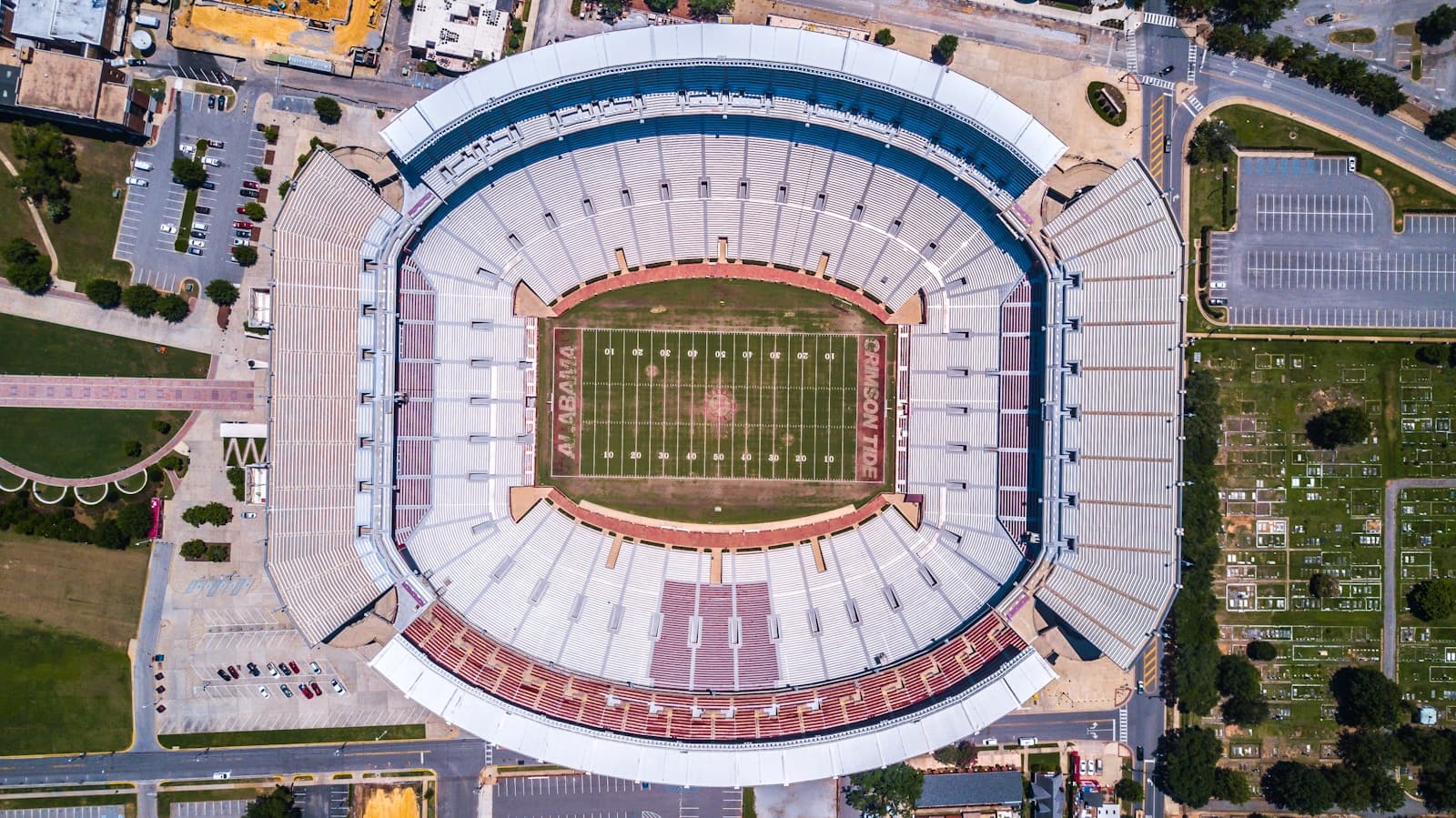
- University of Alabama Traffic Concentration: Tuscaloosa's population swells by over 38,000 during the academic year, concentrating inexperienced drivers around campus corridors like McFarland Boulevard and University Boulevard. High-risk drivers face steeper premiums in ZIP codes 35401 and 35487 where accident frequency rises during fall semester and game days.
- Interstate 20/59 Corridor Accident Rates: The I-20/59 corridor through Tuscaloosa sees elevated accident rates during peak commute hours and football weekends, particularly near the Skyland Boulevard and Cottondale exits. Drivers with at-fault accidents or multiple violations pay 25–40% more in these high-claim ZIP codes compared to quieter residential areas like Northport.
- Alabama's High Uninsured Motorist Population: Approximately 16–18% of Alabama drivers operate without insurance, one of the highest rates in the Southeast. Tuscaloosa high-risk drivers benefit from adding uninsured motorist coverage at $15–$30/month, as a collision with an uninsured driver can trigger rate hikes even when you're not at fault.
- Severe Weather Impact on Comprehensive Claims: Tuscaloosa sits in Alabama's tornado alley, with severe spring storms and occasional tornado touchdowns (including the catastrophic April 2011 EF4 event) driving comprehensive claim frequencies. High-risk drivers adding full coverage should expect $600–$1,200/year for comprehensive in high-exposure areas, as carriers price in hail and wind damage risk.
- Local Court SR-22 Filing Requirements: Tuscaloosa Municipal Court and Tuscaloosa County Court mandate SR-22 filing for DUI convictions, multiple moving violations within 24 months, and driving without insurance citations. Missing a single premium payment during your 3-year SR-22 period triggers an automatic notice to the Alabama Law Enforcement Agency, restarting your filing clock.
Compare rates from carriers that work with drivers who have points
Standard carriers surcharge heavily after violations. These specialists price your specific record differently.
Get Your Free QuoteCoverage Recommendations
Cost estimates are based on available industry data and vary by driver profile. These are not insurance quotes.
SR-22 Insurance
SR-22 is a certificate your insurer files with the Alabama Law Enforcement Agency proving you carry at least 25/50/25 liability limits. In Tuscaloosa, DUI offenders and drivers with suspended licenses typically pay $150–$350/month for SR-22 liability through non-standard carriers, with the filing itself costing $15–$25 upfront.
$150–$350/mo for liability + $15–$25 filing feeEstimated range only. Not a quote.
Liability Insurance
Alabama requires 25/50/25 minimum liability, but high-risk Tuscaloosa drivers should consider 50/100/50 or 100/300/100 limits given the city's elevated uninsured motorist rate. Minimum liability runs $150–$250/month post-DUI; increasing to 100/300/100 adds $40–$80/month but protects against underinsured claims on I-20/59.
$150–$250/mo for 25/50/25; $190–$330/mo for 100/300/100Estimated range only. Not a quote.
Non-Standard Auto Insurance
Drivers with DUIs, multiple violations, or lapses in Tuscaloosa turn to non-standard carriers when standard insurers decline coverage. Non-standard policies in Tuscaloosa cost 30–60% more than standard rates but provide the required SR-22 filing and accept high-risk profiles, with monthly monitoring to prevent lapses that restart your filing period.
$180–$400/mo depending on violation severityEstimated range only. Not a quote.
Uninsured Motorist Coverage
With Alabama's uninsured driver rate near 16–18%, Tuscaloosa high-risk drivers benefit from uninsured/underinsured motorist coverage at $15–$35/month. This coverage pays your medical bills and vehicle damage when hit by an uninsured driver on University Boulevard or McFarland, preventing out-of-pocket losses that compound your financial recovery.
$15–$35/mo added to your policyEstimated range only. Not a quote.