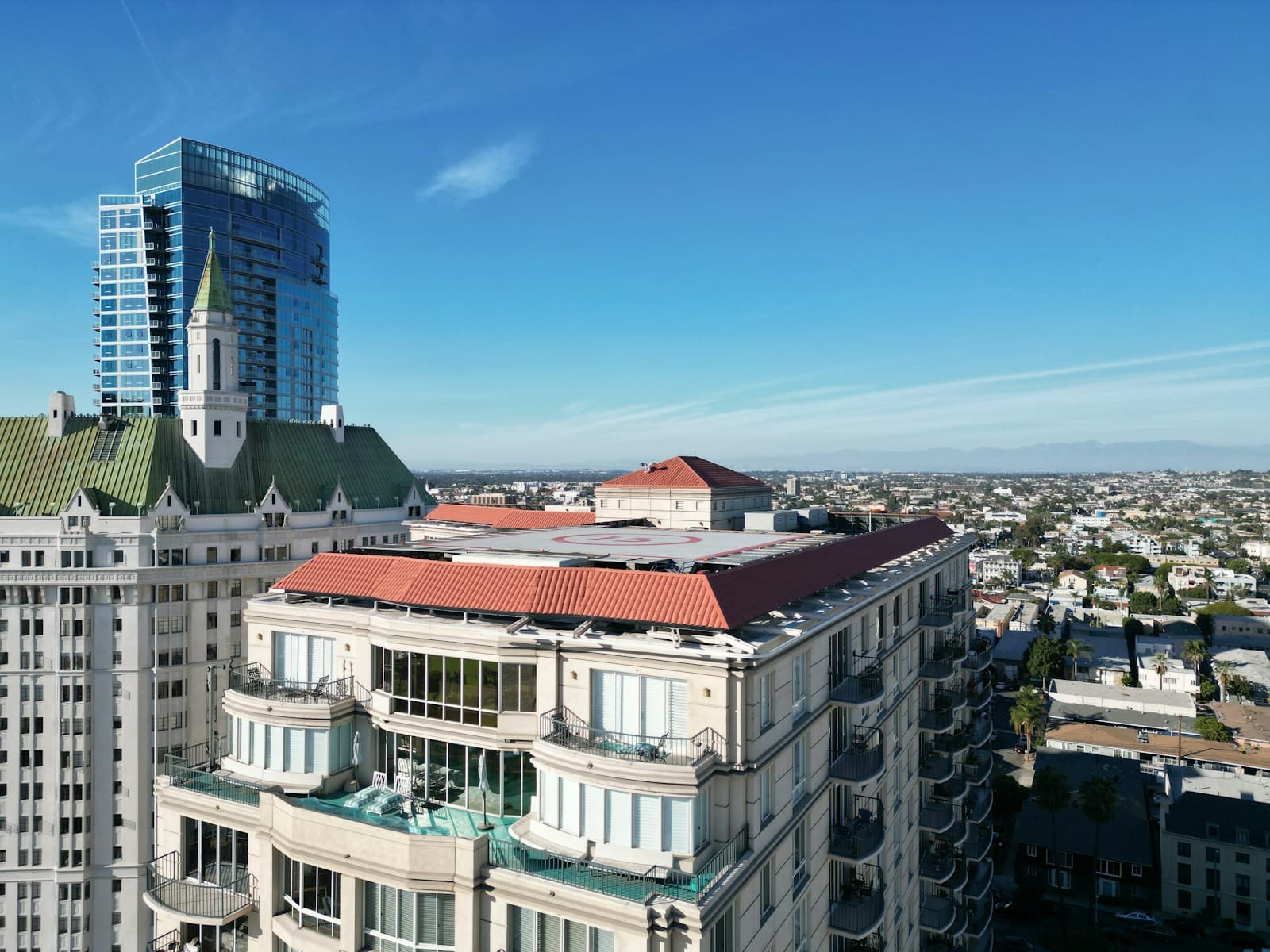
What Affects Rates in Long Beach
- I-405 and I-710 Corridor Accident Density: Long Beach sits at the intersection of two of Southern California's highest-traffic freeways, with the I-710 corridor experiencing elevated accident rates. High-risk drivers face steeper premiums here because carriers price for the increased likelihood of repeat claims in stop-and-go congestion and merging zones.
- Port Traffic and Commercial Vehicle Concentration: The Port of Long Beach generates constant heavy truck traffic on surface streets and freeway approaches. Drivers with existing at-fault accidents or DUIs are rated higher in areas with mixed passenger-commercial traffic due to severity risk in multi-vehicle collisions.
- LA County Uninsured Motorist Rate: Approximately 17% of drivers in Los Angeles County operate without insurance, among the highest rates in California. For high-risk drivers, uninsured motorist coverage becomes critical—if an uninsured driver hits you, your SR-22 requirement continues regardless, and a lapse triggers a restart of your 3-year filing period.
- Coastal ZIP Code Theft and Vandalism: Long Beach coastal and downtown areas see higher rates of vehicle theft and vandalism compared to inland suburbs. If you're required to carry full coverage as a condition of SR-22 (common with financed vehicles), comprehensive premiums rise in higher-crime ZIP codes, compounding your high-risk surcharge.
- California DUI Penalties and SR-22 Triggers: California requires SR-22 for DUI convictions, certain reckless driving charges, driving without insurance, and license suspensions. Long Beach drivers face strict DMV oversight—any lapse in your SR-22 coverage triggers an immediate suspension notice, and reinstatement requires restarting the 3-year clock.
Compare rates from carriers that work with drivers who have points
Standard carriers surcharge heavily after violations. These specialists price your specific record differently.
Get Your Free QuoteCoverage Recommendations
Cost estimates are based on available industry data and vary by driver profile. These are not insurance quotes.
SR-22 Insurance
SR-22 is a certificate your insurer files with the California DMV proving you carry at least state minimum liability (15/30/5). In Long Beach, non-standard carriers like The General, Bristol West, and Acceptance specialize in SR-22 filings for DUI and suspended license drivers. Your SR-22 must remain active for 3 consecutive years—any lapse restarts the clock and triggers a new suspension.
$25–$50 filing fee; underlying policy $185–$375/moEstimated range only. Not a quote.
Non-Standard Auto Insurance
Non-standard carriers write policies for drivers standard carriers decline: multiple DUIs, lapses over 90 days, or suspended licenses. In Long Beach, expect monthly payment plans, higher down payments (often 20–30% of the 6-month premium), and reinstatement fees if you miss a payment. Rates drop as you accumulate violation-free months, with the steepest discounts appearing after 36 months clean.
20–30% higher down payment than standard marketEstimated range only. Not a quote.
Liability Insurance
California minimums are 15/30/5 ($15,000 per person injury, $30,000 per accident, $5,000 property damage), but Long Beach drivers with SR-22 requirements should strongly consider 50/100/50 or higher. If you cause an accident on the 710 involving multiple vehicles or commercial property, minimum limits exhaust quickly—and a judgment against you can freeze your license reinstatement and extend financial consequences for years.
50/100/50 adds ~$40–$80/mo over state minimumsEstimated range only. Not a quote.
Uninsured Motorist Coverage
With roughly 17% of LA County drivers uninsured, this coverage protects you when an at-fault driver has no insurance. For SR-22 drivers in Long Beach, it's critical: if an uninsured driver hits you and you can't afford repairs, you might let coverage lapse to save money—triggering a suspension and restarting your 3-year SR-22 period. Uninsured motorist coverage typically adds $15–$35/month and prevents that scenario.
$15–$35/mo addition to policyEstimated range only. Not a quote.