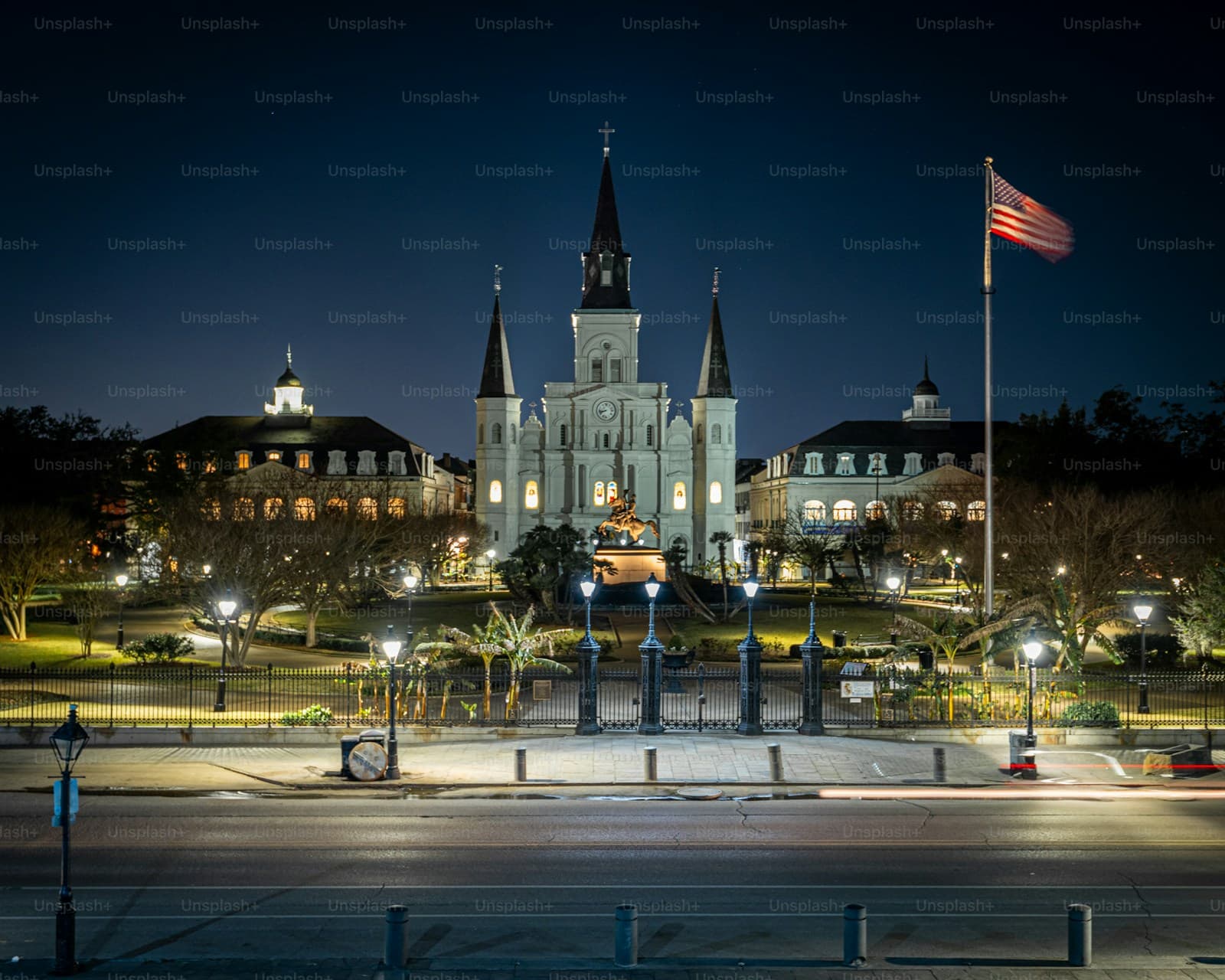
What Affects Rates in New Orleans
- Flood Zone Density and Hurricane Exposure: New Orleans sits below sea level with significant flood-zone exposure, pushing comprehensive premiums higher for high-risk drivers who need full coverage to maintain SR-22 compliance. Carriers price hurricane and flood risk into base rates, especially in ZIP codes near Lake Pontchartrain and below the Industrial Canal.
- Uninsured Motorist Concentration: Louisiana's uninsured driver rate hovers near 13%, one of the highest in the South, and New Orleans sees elevated hit-and-run and uninsured claim frequency. High-risk policies already carry surcharges; uninsured motorist coverage becomes essential but adds $15–$40/month to policies for drivers with violations.
- Urban Traffic Density and Accident Frequency: I-10 through the city, the Pontchartrain Expressway, and surface congestion on Claiborne and Canal create elevated accident rates. DUI and at-fault drivers face steeper surcharges in high-density zones where frequency models predict more claims.
- Pure Comparative Negligence System: Louisiana's pure comparative fault rule allows recovery even if you're 99% at fault, which keeps claim costs unpredictable for carriers. High-risk drivers see this reflected in liability premiums, as insurers can't eliminate exposure even in majority-fault scenarios.
- OMV SR-22 Processing and Reinstatement Timing: The Louisiana Office of Motor Vehicles requires continuous SR-22 proof for three years; any lapse triggers a new suspension and restarts the clock. New Orleans drivers must confirm their carrier files electronically with OMV—non-standard insurers often have slower processing, delaying license reinstatement by days or weeks.
Compare rates from carriers that work with drivers who have points
Standard carriers surcharge heavily after violations. These specialists price your specific record differently.
Get Your Free QuoteCoverage Recommendations
Cost estimates are based on available industry data and vary by driver profile. These are not insurance quotes.
SR-22 Insurance
An SR-22 is a certificate your insurer files with the Louisiana OMV proving you carry at least 15/30/25 liability. In New Orleans, non-standard carriers like Progressive, The General, and regional high-risk writers offer SR-22 filing; the certificate itself costs $25–$50, but underlying high-risk premiums run $180–$350/month depending on violation severity.
$25–$50 filing fee; $180–$350/mo policyEstimated range only. Not a quote.
Liability Insurance
Louisiana's 15/30/25 minimums are low given New Orleans' uninsured rate and litigation climate. High-risk drivers should consider 50/100/50 or 100/300/100 to protect assets—upgrading liability limits adds $20–$60/month but shields you from gap exposure in comparative-fault claims.
Minimums $90–$200/mo; higher limits +$20–$60/moEstimated range only. Not a quote.
Uninsured Motorist Coverage
With 13% of Louisiana drivers uninsured and New Orleans seeing elevated hit-and-run frequency, uninsured/underinsured motorist (UM/UIM) coverage is critical. High-risk policies already carry surcharges; adding UM/UIM costs $15–$40/month but covers your injuries and vehicle damage when the at-fault driver can't pay.
+$15–$40/mo for UM/UIMEstimated range only. Not a quote.
Full Coverage
Full coverage (liability + collision + comprehensive) is often required to maintain SR-22 if you have a loan or lease, and it's the only way to protect your vehicle in flood-prone New Orleans. High-risk full coverage typically runs $220–$400/month; comprehensive alone adds $30–$80/month due to hurricane and theft risk in urban ZIP codes.
$220–$400/mo for high-risk full coverageEstimated range only. Not a quote.