What Affects Rates in Missoula
- University District Traffic Density: The area surrounding the University of Montana sees elevated accident frequency, particularly during academic year months. High-risk drivers with at-fault accidents already on record face steeper liability premiums when garaging vehicles in the 59801 and 59812 zip codes due to this concentration.
- Reserve Street Corridor Claims: Missoula's primary commercial strip along Reserve Street generates disproportionate rear-end and merge-related collisions. Drivers with existing violation histories see this reflected in collision coverage pricing, with insurers weighting garaging location in their underwriting for non-standard policies.
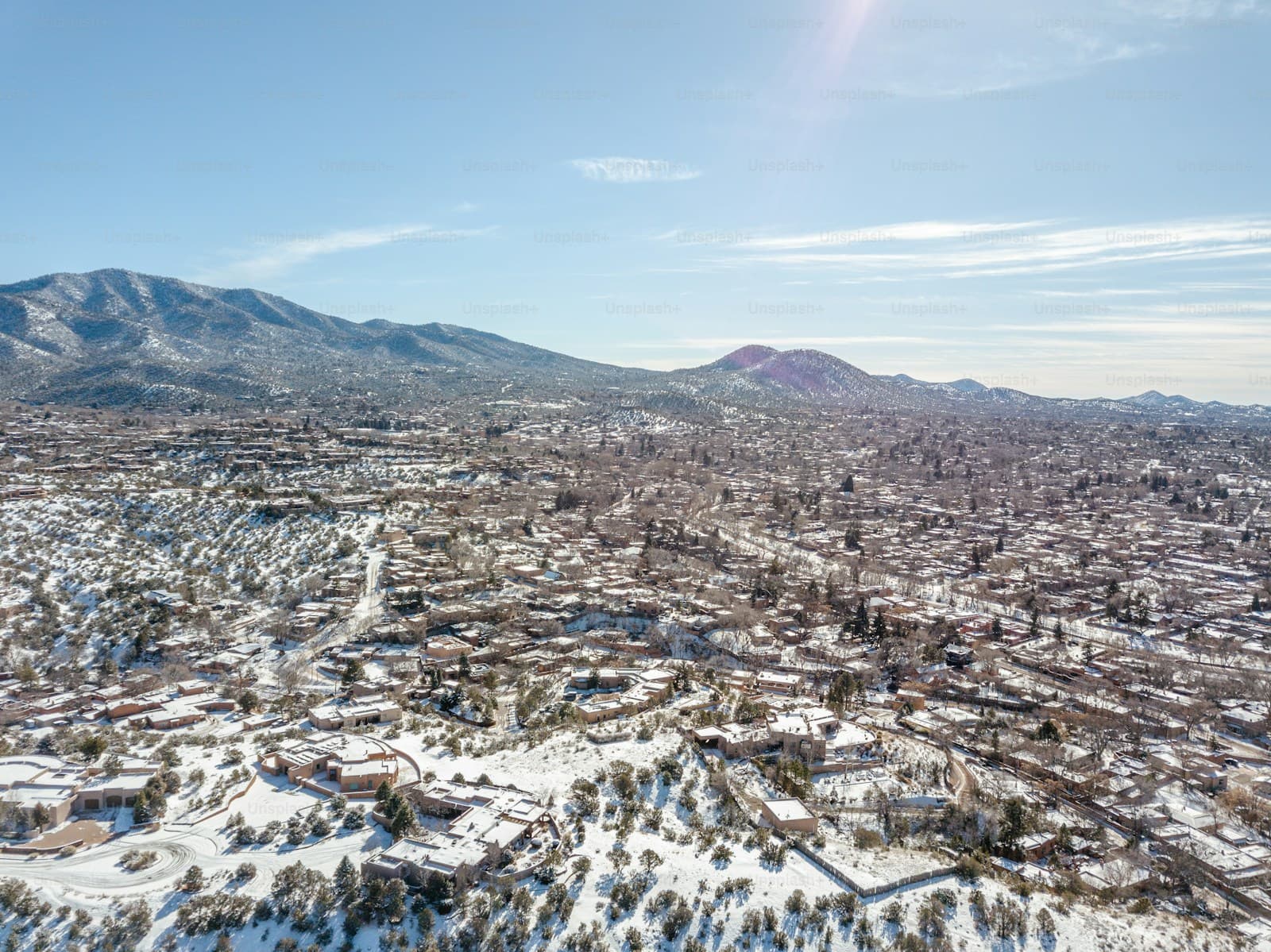
- Winter Road Conditions and Comprehensive Costs: Missoula averages 40–50 inches of snow annually, with ice and snow present November through March. High-risk drivers carrying comprehensive coverage—often required by lenders even after violations—pay elevated premiums due to seasonal claim frequency for weather-related incidents and wildlife collisions on routes like Highway 93.
- Limited Non-Standard Carrier Competition: Missoula's smaller metro size means fewer physical offices for non-standard insurers compared to Billings or Great Falls. This reduced competition can keep SR-22 rates $20–$40/month higher than in Montana's larger cities, as drivers have fewer local alternatives when standard carriers decline coverage.
- Rural Routes and Uninsured Motorist Exposure: Montana's uninsured driver rate hovers near 12%, and rural routes radiating from Missoula see higher concentrations. High-risk drivers already paying elevated premiums should prioritize uninsured motorist coverage at 100/300 limits, as a second not-at-fault claim can further restrict carrier options.

Compare rates from carriers that work with drivers who have points
Standard carriers surcharge heavily after violations. These specialists price your specific record differently.
Get Your Free QuoteCoverage Recommendations
Cost estimates are based on available industry data and vary by driver profile. These are not insurance quotes.
SR-22 Insurance
SR-22 is a liability certificate filed by your insurer to Montana's Motor Vehicle Division proving you carry at least 25/50/20 minimum coverage. In Missoula, the filing itself costs $25–$50, but your underlying premium increase—often 80–150% for DUI—is the real cost driver.
$25–$50 filing + premium increaseEstimated range only. Not a quote.
Non-Standard Auto Insurance
Drivers with DUIs, suspensions, or multiple violations in Missoula typically need non-standard carriers who specialize in high-risk profiles. These insurers assess risk differently, often allowing coverage when standard carriers decline, with monthly premiums running $150–$300 for full coverage based on violation severity.
$150–$300/mo for full coverageEstimated range only. Not a quote.
Liability Insurance
Montana requires 25/50/20 minimum liability, but high-risk drivers in Missoula should carry 100/300/100 to protect assets and reduce financial exposure in at-fault accidents. Given Missoula's winter conditions and university-area traffic, a second at-fault claim with minimum limits can trigger license suspension for inability to pay damages.
$80–$150/mo for 100/300/100Estimated range only. Not a quote.
Uninsured Motorist Coverage
With roughly 12% of Montana drivers uninsured and rural routes around Missoula seeing higher concentrations, uninsured motorist coverage at 100/300 limits protects high-risk drivers from premium spikes after not-at-fault accidents. This coverage is often underpriced relative to the protection it provides in markets with elevated uninsured rates.
$15–$35/mo for 100/300 UM/UIMEstimated range only. Not a quote.