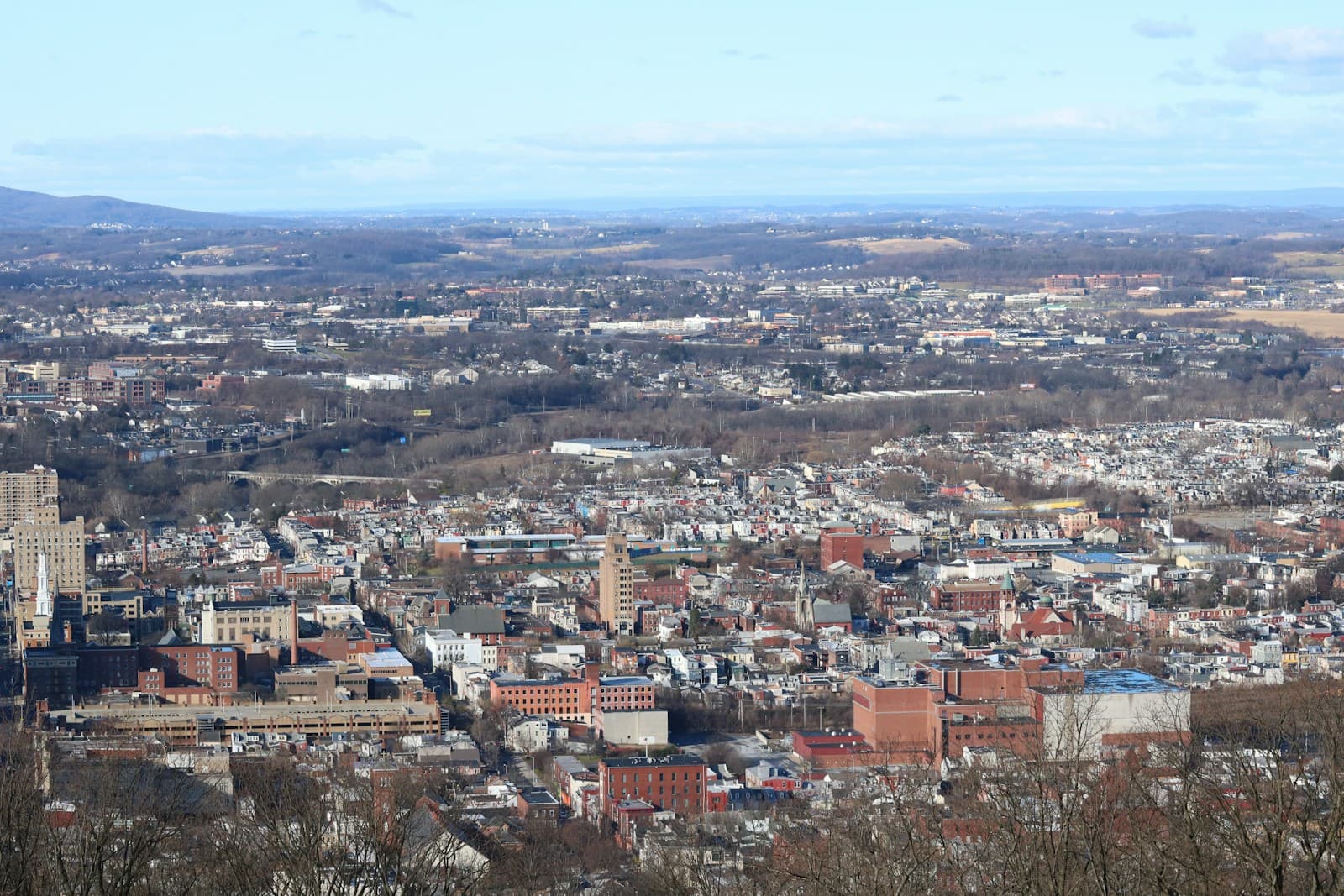
What Affects Rates in Reading
- Route 222 and US-422 Corridor Congestion: The Penn Street/Route 222 interchange and US-422 commuter corridor through Reading experience elevated accident frequency during peak hours, pushing high-risk premiums 12–18% higher than rural Berks County rates. Drivers with at-fault accidents on record face additional surcharges in these high-claim zones.
- Uninsured Driver Concentration in Urban Core: Reading's central zip codes (19601, 19602, 19604) show higher uninsured motorist rates than outer Berks County, making uninsured motorist coverage essential for high-risk drivers who cannot absorb out-of-pocket collision costs. Carriers price this risk into liability-only SR-22 policies.
- Berks County Court SR-22 Compliance Monitoring: Pennsylvania's 3-year SR-22 filing period begins only after license reinstatement, and any lapse triggers automatic suspension through PennDOT. Reading-area courts coordinate closely with PennDOT on DUI and habitual offender cases, making continuous coverage non-negotiable.
- Winter Weather Claim Frequency: Reading's position in the Schuylkill Valley creates ice accumulation on I-176 and Route 222 during winter months, increasing comprehensive and collision claims. High-risk drivers seeking full coverage face 8–12% higher premiums November through March compared to Reading drivers with clean records.
- Non-Standard Carrier Availability: Reading's urban population supports multiple non-standard carriers including Dairyland, The General, and regional specialists writing SR-22 policies. This competition keeps high-risk rates more accessible than in rural Pennsylvania counties with limited carrier presence.
Compare rates from carriers that work with drivers who have points
Standard carriers surcharge heavily after violations. These specialists price your specific record differently.
Get Your Free QuoteCoverage Recommendations
Cost estimates are based on available industry data and vary by driver profile. These are not insurance quotes.
SR-22 Insurance
Pennsylvania requires SR-22 filing for DUI convictions, license suspensions, and habitual offender status. The $25–$50 filing fee is separate from premium increases, which typically add $90–$180/month to liability coverage in Reading depending on the violation.
$180–$350/mo for liability with SR-22Estimated range only. Not a quote.
Liability Insurance
Pennsylvania's minimum requirement is $15,000/$30,000 bodily injury and $5,000 property damage, but high-risk drivers in Reading should carry at least $50,000/$100,000 to protect against lawsuits following accidents on congested Route 222 or US-422 corridors. Minimum coverage costs $180–$260/month with SR-22 violations.
$180–$260/mo for state minimumsEstimated range only. Not a quote.
Full Coverage
Comprehensive and collision coverage costs high-risk Reading drivers $280–$550/month, with deductibles typically set at $500–$1,000. Winter ice claims along I-176 and higher theft rates in downtown Reading zip codes make this essential for financed vehicles despite the premium.
$280–$550/mo with violationsEstimated range only. Not a quote.
Uninsured Motorist Coverage
Reading's urban core shows elevated uninsured driver rates, making UM/UIM coverage critical for high-risk drivers who cannot afford out-of-pocket injury or repair costs. Carriers often require this coverage on SR-22 policies, adding $35–$70/month to premiums.
$35–$70/mo additionalEstimated range only. Not a quote.