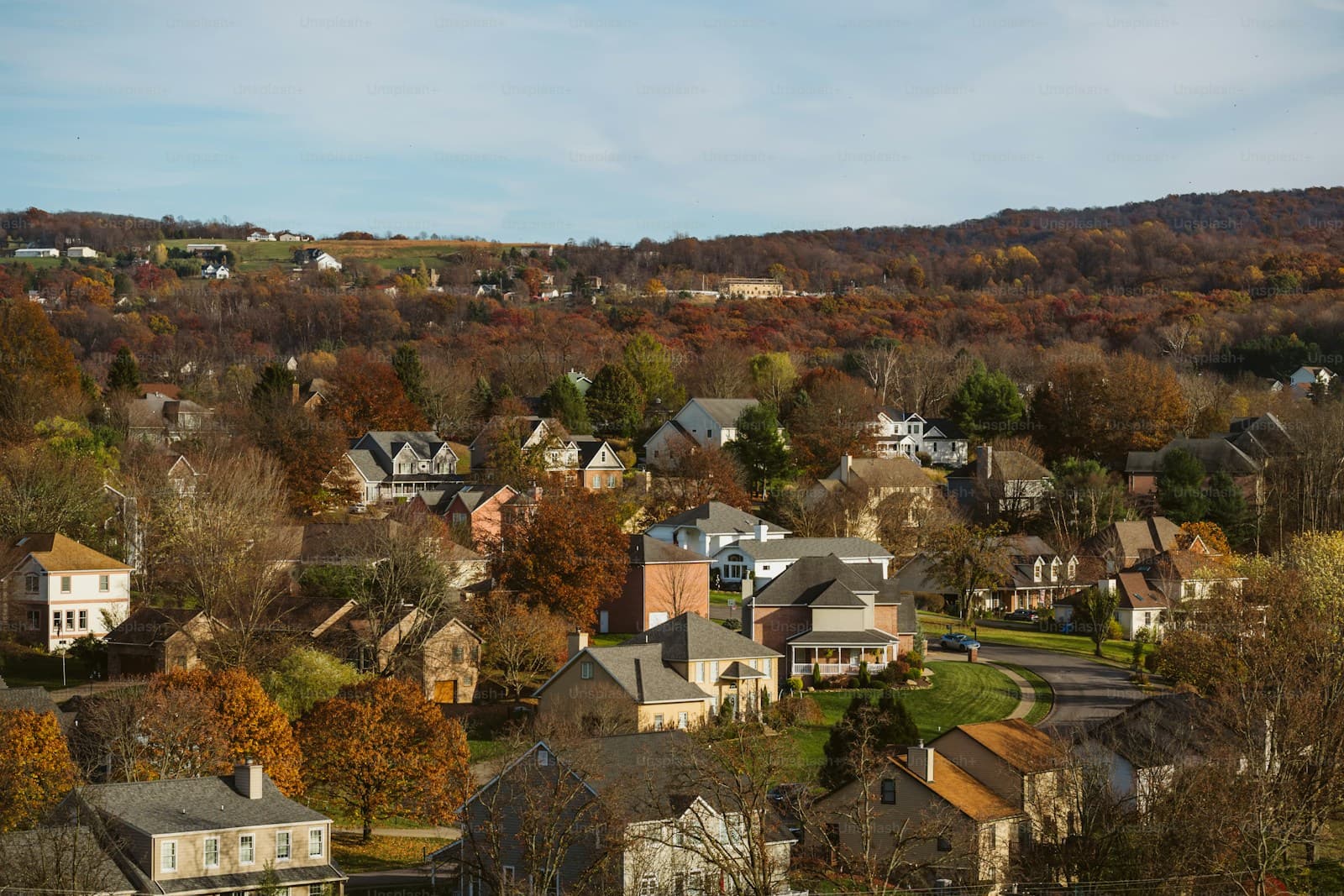
What Affects Rates in Scranton
- Urban Density and Accident Frequency: Scranton's concentrated downtown corridor along Lackawanna Avenue and high-traffic zones near the Viewmont Mall see elevated accident frequency, which raises base rates for high-risk drivers already flagged for violations. Insurers factor in claims frequency by ZIP code, and urban Scranton ZIPs carry higher loss ratios than surrounding rural areas.
- Lake-Effect Snow and Winter Weather Claims: Scranton receives lake-effect snow from nearby Lake Erie systems, averaging over 45 inches annually with periodic ice storms. Comprehensive and collision claims spike December through February, and carriers price high-risk policies accordingly when they see prior at-fault winter accidents or lapses during snow months.
- Pennsylvania's Choice No-Fault System: Pennsylvania offers limited tort and full tort options, and high-risk drivers selecting limited tort to lower premiums sacrifice lawsuit rights unless injuries meet the serious injury threshold. Many non-standard carriers write policies with limited tort by default, and switching to full tort adds $15–$30/month but restores full recovery rights after an accident.
- Uninsured Driver Concentration in Lackawanna County: Lackawanna County typically sees uninsured driver rates near the state average of 6–8%, but certain corridors and lower-income neighborhoods show higher exposure. High-risk drivers should carry uninsured/underinsured motorist coverage at least matching liability limits, as a second at-fault incident with an uninsured party compounds rate penalties.
- PennDOT Ignition Interlock and Compliance Monitoring: Pennsylvania requires ignition interlock devices for many DUI offenses, and insurers monitor compliance through PennDOT records. A lapse in interlock compliance or SR-22 filing triggers immediate policy cancellation and resets the 3-year SR-22 clock, often forcing the driver into assigned-risk pools with rates exceeding $400/month.
Compare rates from carriers that work with drivers who have points
Standard carriers surcharge heavily after violations. These specialists price your specific record differently.
Get Your Free QuoteCoverage Recommendations
Cost estimates are based on available industry data and vary by driver profile. These are not insurance quotes.
SR-22 Insurance
SR-22 is a certificate filed by your insurer with PennDOT proving you carry at least Pennsylvania's minimum liability of 15/30/5. The filing itself costs $50–$65 one-time, but the underlying violation—DUI, suspension, or lapse—raises your premium by 80–200% for the 3-year filing period.
$50–$65 filing + elevated premiumsEstimated range only. Not a quote.
Liability Insurance
Pennsylvania requires 15/30/5 minimum liability, but high-risk drivers in Scranton should consider 100/300/100 to protect assets if you cause another accident. Minimum coverage runs $80–$150/month with an SR-22; increasing limits to 100/300/100 adds $30–$60/month but shields you from lawsuits exceeding state minimums.
$80–$150/mo minimum; $110–$210/mo for 100/300/100Estimated range only. Not a quote.
Full Coverage
Full coverage—liability, collision, and comprehensive—is essential for financed vehicles or if you cannot afford to replace your car after a claim. In Scranton, high-risk drivers pay $150–$300/month for full coverage with a $500–$1,000 deductible; raising the deductible to $1,000 can save $20–$40/month.
$150–$300/mo with $500–$1,000 deductibleEstimated range only. Not a quote.
Non-Standard Auto Insurance
Non-standard carriers specialize in high-risk profiles—multiple DUIs, SR-22 requirements, or lapses over 90 days. These insurers operate in Scranton and offer month-to-month or six-month terms, often with higher down payments and rates 20–50% above standard market, but they approve drivers that standard carriers decline.
20–50% above standard market ratesEstimated range only. Not a quote.