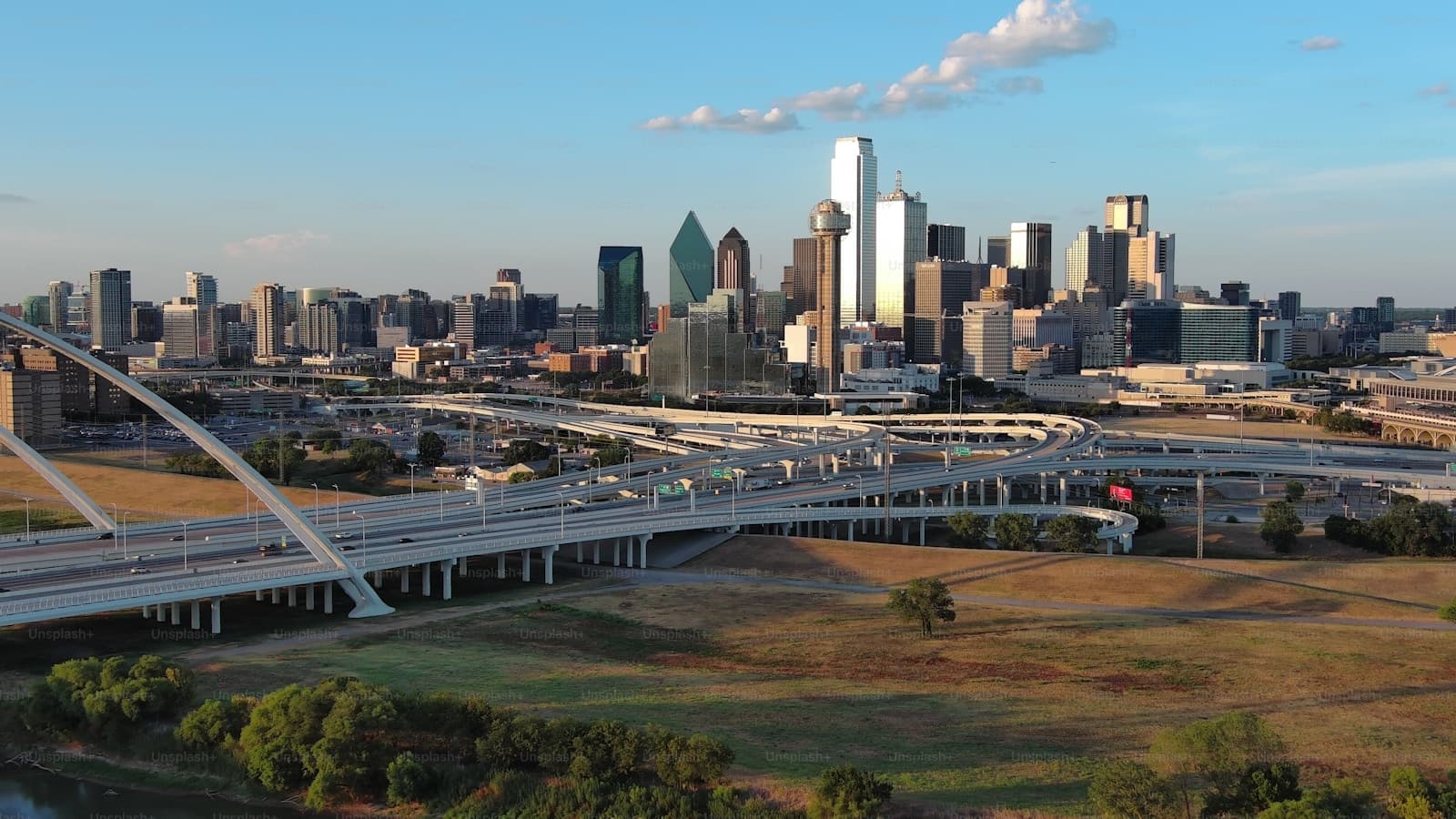
What Affects Rates in Dallas
- Interstate Corridor Accident Rates: Dallas sits at the intersection of I-35E, I-30, I-20, and the LBJ Freeway (I-635), creating high-density traffic zones with elevated accident frequency. Drivers with existing violations face steeper premiums because insurers price these corridors as higher-risk territories, particularly during rush hours when congestion peaks.
- Uninsured Motorist Concentration: Dallas County consistently reports uninsured driver rates above the Texas state average, which hovers around 14–18% statewide. High-risk drivers are penalized twice: once for their own record, and again because the local uninsured population increases insurers' exposure to uncompensated claims, driving up premiums across the board.
- Urban Density and Theft Rates: As the ninth-largest city in the U.S., Dallas experiences higher vehicle theft and vandalism rates than suburban or rural Texas areas. Comprehensive and collision coverage for high-risk drivers often costs 25–40% more here than in smaller metros, with ZIP codes in South Dallas and West Dallas seeing the steepest increases.
- Court Processing for DUI and Suspensions: Dallas County courts process thousands of DUI and suspension cases annually, with Texas DPS mandating SR-22 filings for most reinstatements. Processing delays during high-volume periods can extend the time between conviction and filing, but missing the SR-22 deadline resets the two-year clock, making timely filing critical for Dallas drivers.
- Weather-Related Claim Frequency: North Texas sees frequent hailstorms and severe thunderstorms, particularly March through May, generating higher comprehensive claim rates. High-risk drivers seeking full coverage in Dallas pay premiums that reflect both their violation history and the region's elevated weather-related loss exposure.

Compare rates from carriers that work with drivers who have points
Standard carriers surcharge heavily after violations. These specialists price your specific record differently.
Get Your Free QuoteCoverage Recommendations
Cost estimates are based on available industry data and vary by driver profile. These are not insurance quotes.
SR-22 Insurance
An SR-22 is a certificate filed by your insurer with Texas DPS proving you carry minimum liability coverage ($30,000 bodily injury per person, $60,000 per accident, $25,000 property damage). In Dallas, the filing itself costs $15–$35, but the underlying policy for drivers with DUIs or suspensions typically runs $180–$350/month depending on violation severity and ZIP code.
$15–$35 filing fee + $180–$350/mo policyEstimated range only. Not a quote.
Non-Standard Auto Insurance
Drivers with multiple violations, lapses exceeding 90 days, or DUIs often cannot access standard carriers and must use non-standard insurers that specialize in high-risk profiles. Dallas has a robust non-standard market with carriers offering liability-only policies starting around $150/month and full coverage climbing to $400–$600/month for serious violations.
$150–$600/mo depending on coverage levelEstimated range only. Not a quote.
Liability Insurance
Texas requires 30/60/25 minimum liability, but high-risk drivers in Dallas should consider higher limits—particularly 50/100/50 or 100/300/100—because the city's dense traffic and elevated accident rates increase exposure to lawsuits exceeding state minimums. Liability-only policies for high-risk drivers run $130–$250/month, while higher limits add $30–$80/month.
$130–$250/mo for state minimumsEstimated range only. Not a quote.
Uninsured Motorist Coverage
With Dallas County's above-average uninsured driver population, UM/UIM coverage protects you when an at-fault driver lacks insurance or adequate limits. High-risk drivers pay $25–$60/month to add uninsured motorist bodily injury and property damage coverage, a critical safeguard in a city where 15–20% of drivers may be uninsured.
$25–$60/mo additionalEstimated range only. Not a quote.