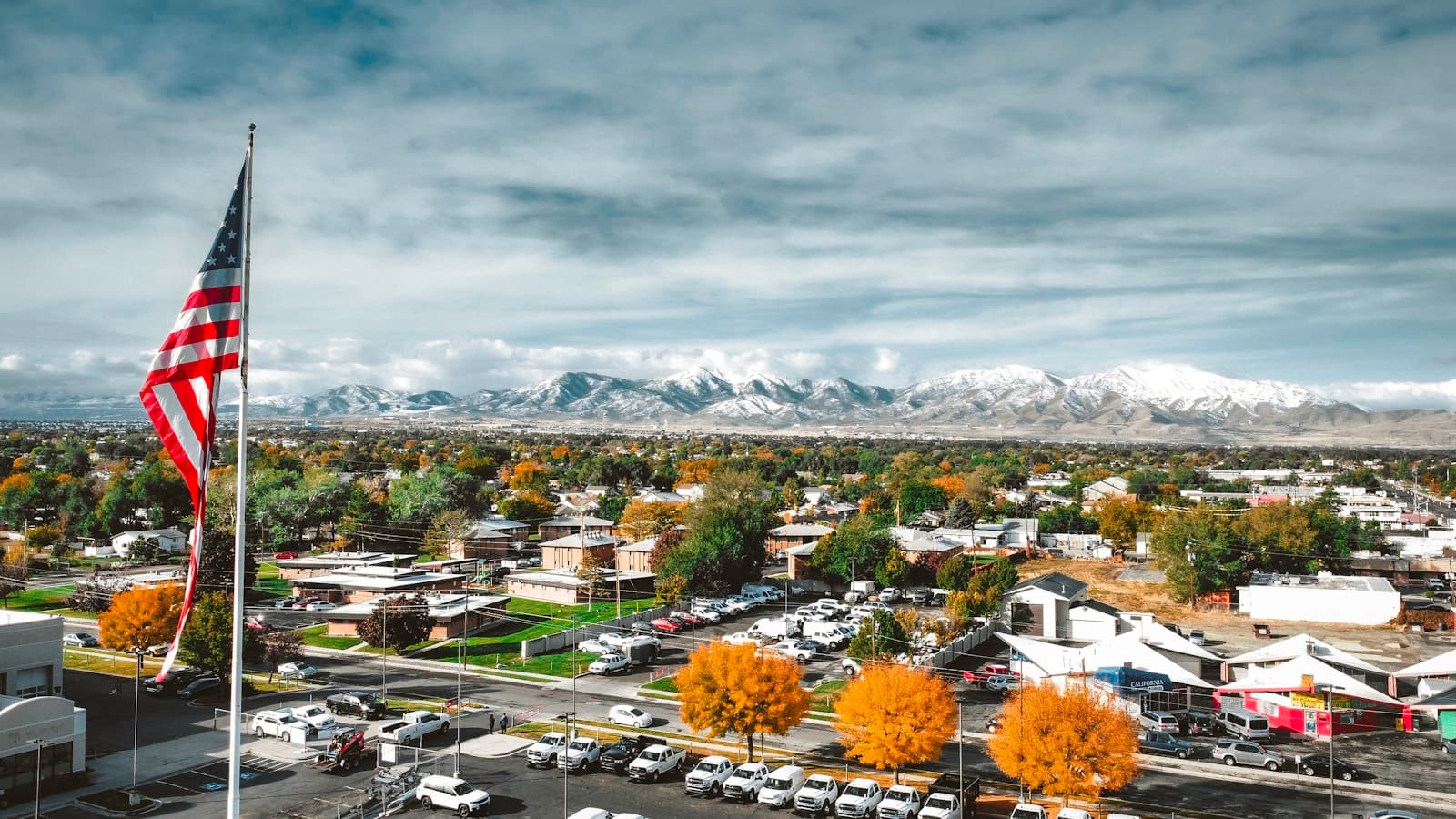
What Affects Rates in Sandy
- I-15 Corridor Accident Frequency: Sandy sits along one of Utah's highest-traffic corridors, with I-15 segments experiencing elevated collision rates during peak commute hours. High-risk drivers face steeper premiums here due to insurer loss history in dense traffic zones.
- No-Fault PIP Requirement: Utah's no-fault system requires $3,000 minimum Personal Injury Protection, which adds baseline cost before liability coverage. High-risk drivers already paying elevated premiums see this as an additional mandatory layer that non-standard carriers price into total policy cost.
- State Route 209 and Local Arterial Density: Sandy's grid of high-volume arterials like State Street and 9000 South creates frequent intersection exposure. Drivers with at-fault accidents or moving violations see higher rates due to the statistical likelihood of repeat incidents in stop-and-go urban traffic.
- Winter Weather Collision Spikes: Sandy experiences snow and ice conditions from November through March, contributing to seasonal collision increases. Carriers adjust rates for high-risk drivers who already demonstrate elevated accident probability, compounding winter risk into annual premiums.
- Proximity to Salt Lake County Court System: Sandy drivers with DUI or reckless driving charges processed through Salt Lake County courts face SR-22 filing requirements monitored by Utah Driver License Division. Any lapse in coverage triggers immediate notification to the state, risking extended suspension periods and higher reinstatement costs.
Compare rates from carriers that work with drivers who have points
Standard carriers surcharge heavily after violations. These specialists price your specific record differently.
Get Your Free QuoteCoverage Recommendations
Cost estimates are based on available industry data and vary by driver profile. These are not insurance quotes.
SR-22 Insurance
SR-22 is a state-required certificate proving you carry minimum liability coverage, filed by your insurer with Utah Driver License Division for 3 years. In Sandy, non-standard carriers like The General, Bristol West, and Acceptance typically write SR-22 policies at $150–$350/month depending on violation severity.
$150–$350/mo typical in SandyEstimated range only. Not a quote.
Non-Standard Auto Insurance
Non-standard carriers specialize in high-risk profiles including DUIs, suspensions, and multiple violations. Sandy drivers often find coverage through regional non-standard markets that price for Utah's no-fault PIP requirement and local collision patterns along I-15.
$175–$400/mo for full coverageEstimated range only. Not a quote.
Liability Insurance
Utah requires $25,000 per person/$65,000 per accident bodily injury and $15,000 property damage, but high-risk drivers in Sandy often benefit from higher limits like 50/100/50 to reduce out-of-pocket exposure in the event of another at-fault incident. Raising limits adds $15–$40/month but protects assets if sued after a crash on busy Sandy corridors.
$100–$250/mo minimum limitsEstimated range only. Not a quote.
Uninsured Motorist Coverage
Utah mandates uninsured/underinsured motorist coverage at the same limits as your liability policy unless you reject it in writing. For high-risk drivers in Sandy rebuilding after violations, maintaining UM/UIM protects against gaps if hit by an uninsured driver in high-traffic areas like State Street or I-15 interchanges.
$20–$60/mo added to policyEstimated range only. Not a quote.