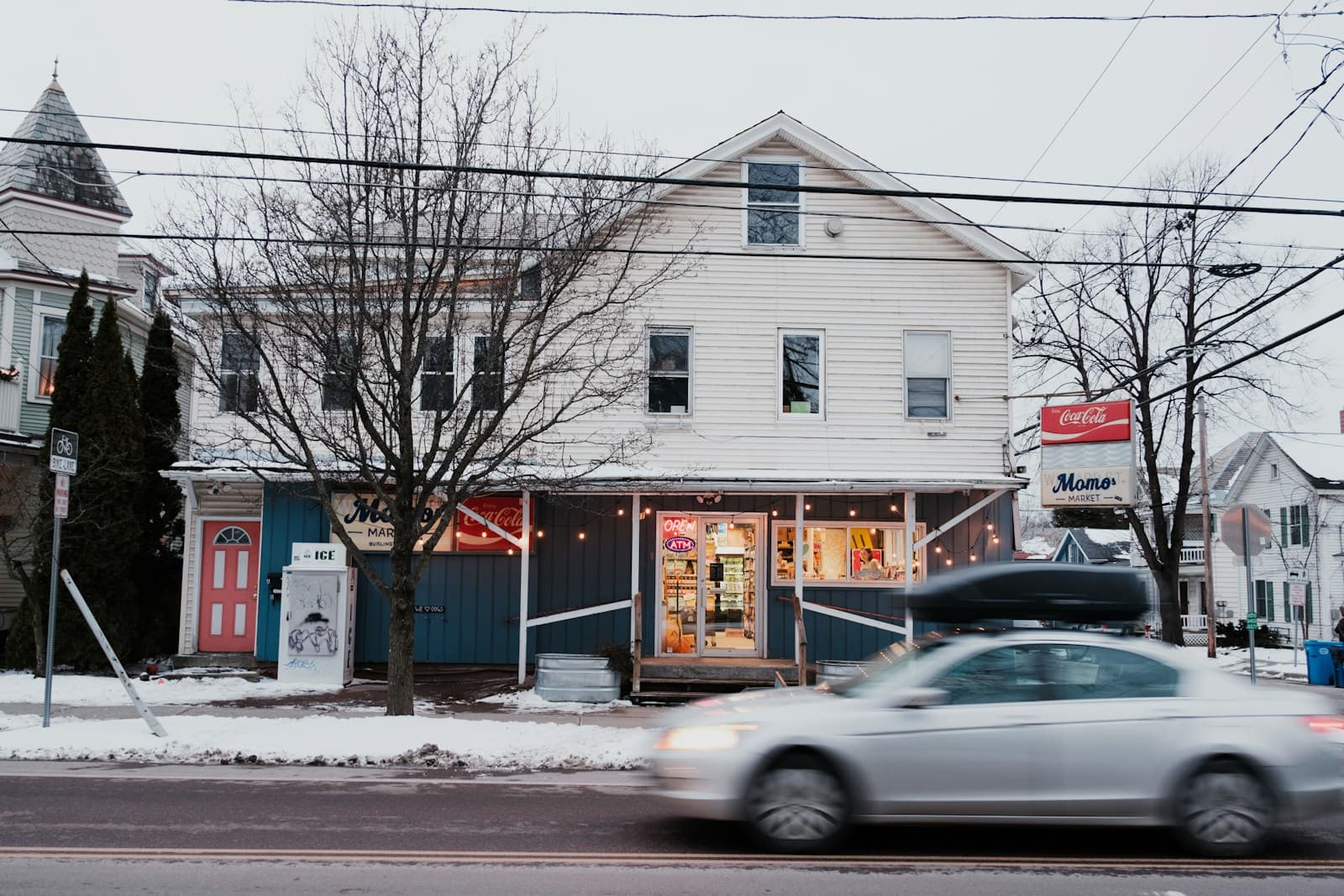
What Affects Rates in Burlington
- Lake Champlain Weather Patterns: Burlington's proximity to Lake Champlain creates heavy lake-effect snow and black ice conditions from November through March, elevating winter accident rates. High-risk drivers with weather-related claims or DUI violations during winter months face steeper increases due to demonstrated seasonal risk.
- College Town Traffic Density: The University of Vermont and surrounding colleges bring 15,000+ students, concentrating younger drivers and pedestrian traffic in downtown and campus areas. High-risk drivers operating near UVM's campus or on Williston Road face higher collision frequency zones, particularly during academic year months.
- Limited Non-Standard Carrier Access: Vermont's smaller insurance market means fewer non-standard carriers operate statewide compared to urban states, limiting options for drivers with DUIs or multiple violations. Burlington drivers often rely on state-assigned risk pools or national non-standard carriers like The General or Bristol West when standard markets decline coverage.
- Interstate 89 Commuter Corridors: I-89 serves as Burlington's primary commuter artery to suburbs like South Burlington, Winooski, and Essex Junction, with higher speeds and winter weather creating elevated risk. High-risk drivers commuting daily on I-89 may see surcharges based on mileage and route risk, especially after speed-related violations.
- Vermont DMV SR-22 Monitoring: The Vermont DMV requires continuous SR-22 certification with zero lapses—any coverage gap resets the three-year filing clock and triggers immediate license suspension. Burlington drivers must ensure carriers file electronically with the DMV and maintain uninterrupted coverage to avoid extended filing periods.
Compare rates from carriers that work with drivers who have points
Standard carriers surcharge heavily after violations. These specialists price your specific record differently.
Get Your Free QuoteCoverage Recommendations
Cost estimates are based on available industry data and vary by driver profile. These are not insurance quotes.
SR-22 Insurance
Required for DUI convictions, multiple violations, or driving uninsured in Vermont. The SR-22 certificate itself costs $25–$50 to file, but underlying liability insurance for high-risk drivers in Burlington typically runs $150–$350/month based on violation severity and driving history.
$25–$50 filing + $150–$350/mo coverageEstimated range only. Not a quote.
Non-Standard Auto Insurance
Designed for drivers declined by standard carriers due to DUIs, suspensions, or multiple at-fault accidents. Non-standard carriers operating in Burlington include national providers like The General, Acceptance, and Progressive's non-standard division, with monthly premiums often 40–80% higher than standard market rates.
40–80% above standard ratesEstimated range only. Not a quote.
Liability Insurance
Vermont requires minimum 25/50/10 liability limits, but high-risk drivers in Burlington should carry higher limits (50/100/25 or greater) to protect assets and reduce exposure after a DUI or at-fault claim. Courts and SR-22 requirements mandate continuous liability coverage—any lapse restarts the three-year filing period.
State minimum insufficient for mostEstimated range only. Not a quote.
Uninsured Motorist Coverage
Vermont does not mandate uninsured motorist coverage, but Burlington drivers with SR-22 filings benefit from adding it, especially given winter accident frequency and the risk of underinsured drivers. Costs typically add $10–$30/month and protect you when hit by a driver lacking adequate coverage.
$10–$30/mo additionalEstimated range only. Not a quote.