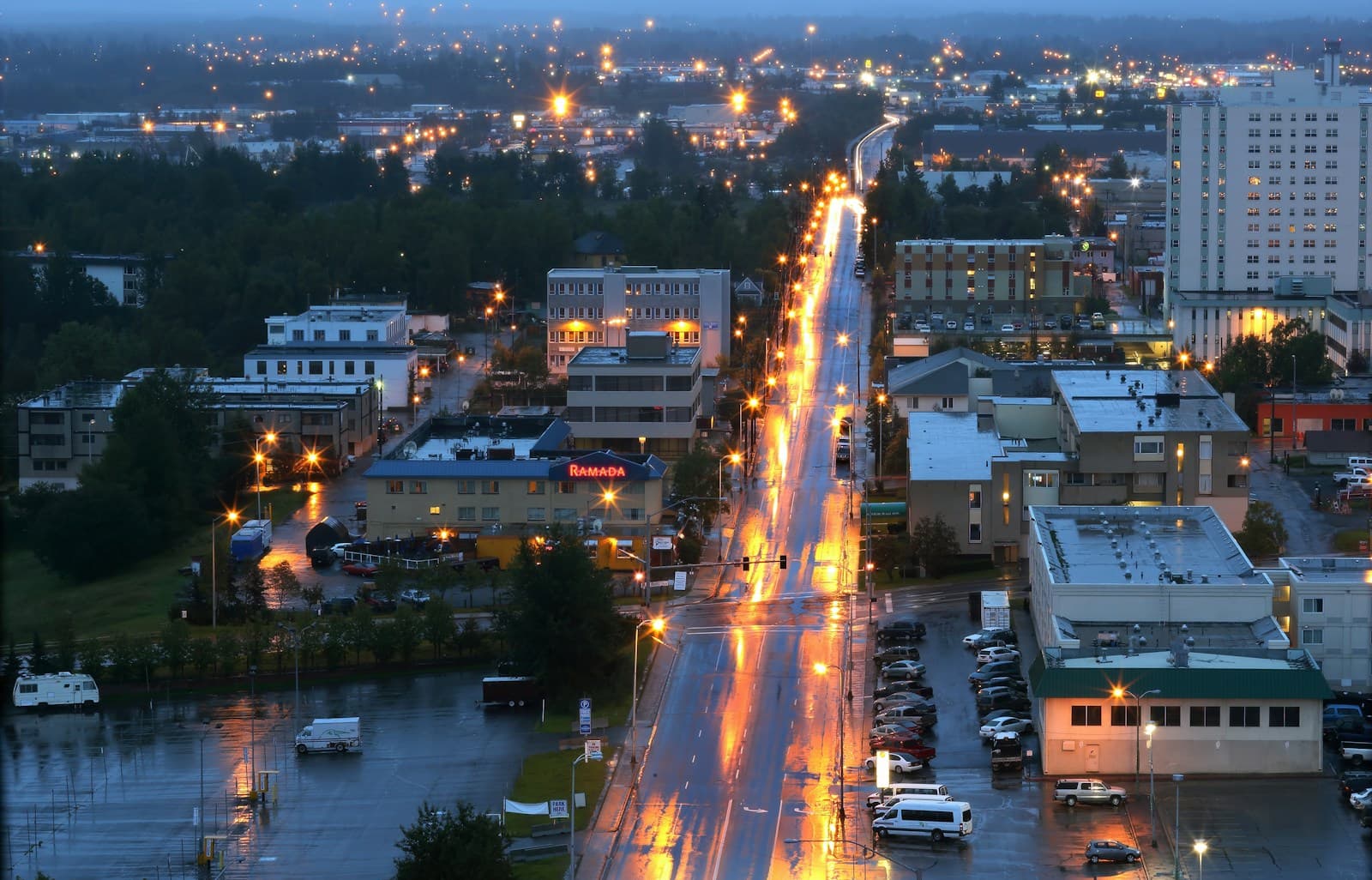
What Affects Rates in Anchorage
- Extreme Seasonal Weather Patterns: Anchorage receives 75+ inches of snow annually, with icy roads from October through April creating elevated accident frequency. High-risk drivers with prior at-fault accidents face steeper winter-related rate increases than those in temperate climates, as insurers price in reduced visibility and traction conditions that amplify violation history.
- Limited Carrier Competition: Alaska's small insurance market means fewer non-standard carriers operate in Anchorage compared to Lower 48 cities. This reduced competition gives high-risk drivers fewer options and less rate leverage, typically resulting in premiums 15–25% higher than comparable violation profiles would face in competitive Western markets.
- High Uninsured Motorist Concentration: Alaska consistently ranks in the top 10 states for uninsured driver rates, with concentrations highest in urban Anchorage. High-risk drivers requiring SR-22 already flagged as elevated claims risks face additional premium loading to offset the statistical likelihood of accidents with uninsured parties who cannot provide recovery.
- Glenn Highway and Seward Highway Accident Corridors: The Glenn Highway through Anchorage and Seward Highway to the Kenai Peninsula are among Alaska's most accident-prone routes, with high-speed limits and wildlife crossings. Drivers with existing violations who commute these corridors face territory-based surcharges that compound their violation-related rate increases.
- Court-Ordered SR-22 Processing Through DMV: Alaska requires SR-22 filings for DUI convictions, license suspensions for points, and uninsured driving citations, with the Division of Motor Vehicles monitoring continuous coverage. A lapse triggers automatic license suspension, requiring a new filing and restart of the 3-year period, which doubles administrative costs and extends high-risk rate exposure.
Compare rates from carriers that work with drivers who have points
Standard carriers surcharge heavily after violations. These specialists price your specific record differently.
Get Your Free QuoteCoverage Recommendations
Cost estimates are based on available industry data and vary by driver profile. These are not insurance quotes.
SR-22 Insurance
SR-22 is a certificate proving you carry Alaska's minimum liability (50/100/25) filed by your insurer with the DMV. In Anchorage, expect to pay $150–$300/month for liability-only SR-22 coverage after a DUI, with the $25–$50 filing fee added upfront and at each renewal for 3 years.
$150–$300/mo liability + filing feeEstimated range only. Not a quote.
Non-Standard Auto Insurance
Non-standard carriers specialize in high-risk profiles rejected by standard insurers — DUIs, multiple violations, lapses over 90 days. Anchorage drivers typically access 3–5 non-standard carriers willing to write policies, with rates 40–80% higher than standard market but often the only path to legal driving and SR-22 compliance.
40–80% above standard ratesEstimated range only. Not a quote.
Liability Insurance
Alaska requires minimum liability of $50,000 per person/$100,000 per accident for injury and $25,000 property damage. High-risk drivers in Anchorage pay $1,800–$4,200/year for state minimums, but winter accident severity often makes 100/300/50 limits advisable despite the $200–$400/year additional cost.
$150–$350/mo for minimum limitsEstimated range only. Not a quote.
Uninsured Motorist Coverage
With Alaska's elevated uninsured driver rate, UM coverage protects you when hit by someone without insurance — a common scenario in Anchorage. High-risk drivers already paying elevated premiums can add 50/100 UM for $15–$30/month, critical protection given that recovery from uninsured parties is virtually impossible.
+$15–$30/mo for 50/100 UMEstimated range only. Not a quote.