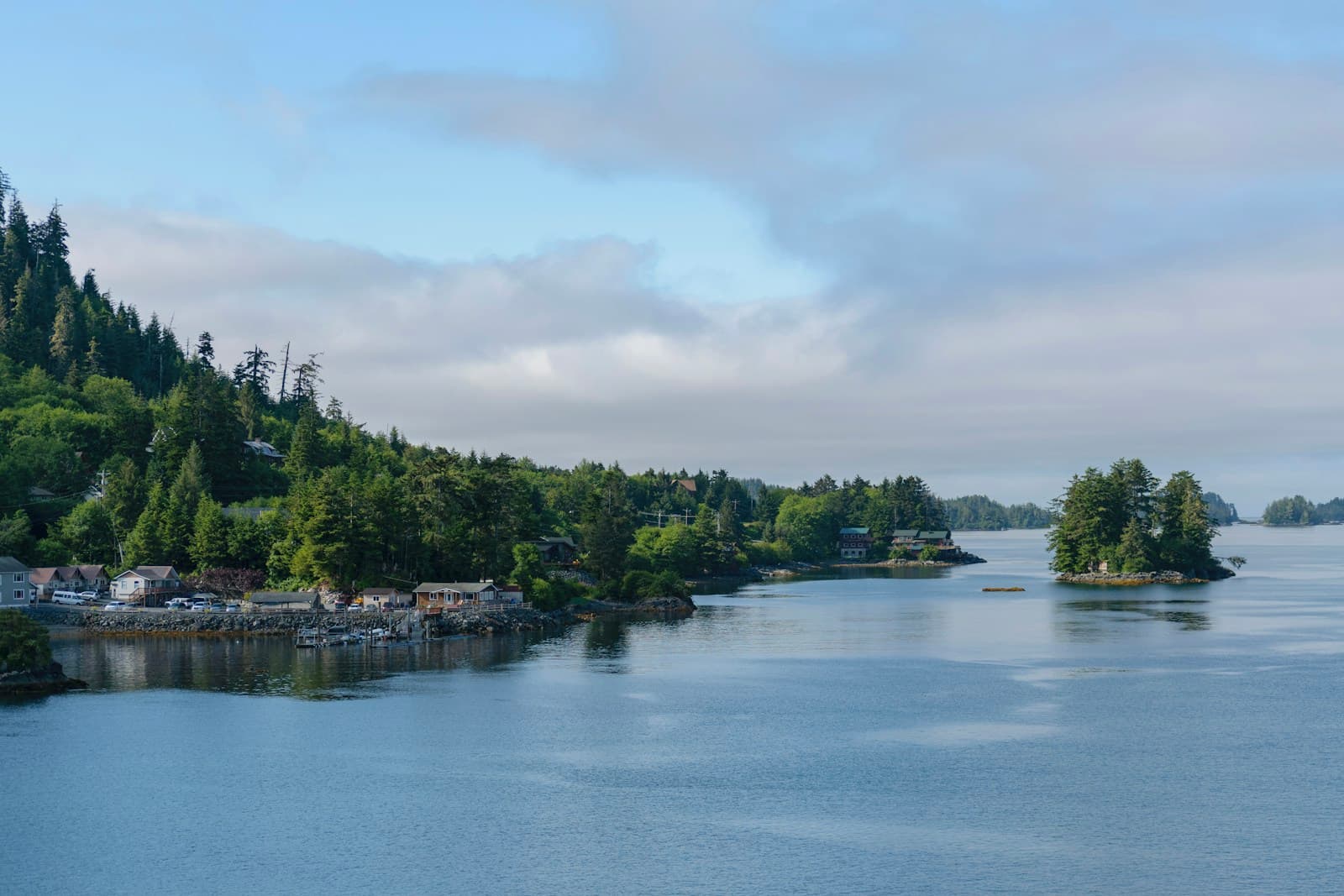
What Affects Rates in Sitka
- Limited Carrier Competition: Sitka's small market and island geography mean fewer non-standard carriers write policies here compared to Anchorage or Fairbanks, often forcing high-risk drivers toward assigned risk pools or specialty insurers with 30–50% higher premiums. Drivers with DUIs or multiple violations should expect to contact 4–6 carriers minimum to find competitive quotes.
- Extreme Precipitation and Road Conditions: Sitka averages over 165 days of measurable precipitation annually with frequent heavy fog, creating hazardous driving conditions on the island's limited road network. High-risk drivers already flagged for at-fault accidents face steeper rate increases here due to elevated collision frequency tied to wet pavement and reduced visibility.
- Island Geography and Repair Costs: All auto parts and repair materials arrive by ferry or barge, inflating comprehensive and collision claim costs 15–25% above mainland Alaska averages. This affects full-coverage rates for high-risk drivers who maintain collision coverage to satisfy loan requirements, with monthly premiums often exceeding $500 for those with DUI or major violation histories.
- Tourist Season Traffic Density: Summer cruise ship arrivals temporarily triple Sitka's population, concentrating unfamiliar drivers on narrow roads near the downtown core and increasing fender-bender frequency May through September. High-risk drivers with recent at-fault accidents see this seasonal risk reflected in year-round premiums, as insurers price for heightened exposure during peak months.
- Alaska's Tort System and Uninsured Drivers: Alaska operates as an at-fault state where the driver responsible for an accident pays for damages, and approximately 13–15% of Alaska drivers carry no insurance. High-risk drivers in Sitka should prioritize uninsured motorist coverage at limits matching liability minimums (50/100/25) since a second at-fault accident or hit by an uninsured driver can trigger policy non-renewal.
Compare rates from carriers that work with drivers who have points
Standard carriers surcharge heavily after violations. These specialists price your specific record differently.
Get Your Free QuoteCoverage Recommendations
Cost estimates are based on available industry data and vary by driver profile. These are not insurance quotes.
SR-22 Insurance
SR-22 is a certificate your insurer files with Alaska DMV proving you carry at least state minimum liability (50/100/25). In Sitka, filing fees run $25–$50, and the requirement lasts 3 years from the violation date—any lapse triggers license suspension and restarts the clock.
$25–$50 filing fee; coverage $150–$350/moEstimated range only. Not a quote.
Liability Insurance
Alaska requires 50/100/25 minimums ($50k per person, $100k per accident for bodily injury, $25k property damage). High-risk drivers in Sitka pay $150–$350/month for minimum liability through non-standard carriers, with DUI convictions pushing rates toward the upper end of that range for the first 3–5 years.
$150–$350/mo for state minimumsEstimated range only. Not a quote.
Full Coverage
Combining liability, collision, and comprehensive creates full coverage, essential if you finance or lease a vehicle in Sitka. High-risk drivers typically pay $280–$550/month based on deductible choices and violation severity, with collision costs elevated due to island repair expenses and wet-road accident frequency.
$280–$550/mo with $500–$1,000 deductiblesEstimated range only. Not a quote.
Uninsured Motorist Coverage
With 13–15% of Alaska drivers uninsured and Sitka's seasonal tourist traffic, UM coverage protects you if an at-fault driver has no insurance. High-risk drivers should match UM limits to liability limits (50/100) since a second claim—even as the victim—can complicate renewal and rate negotiations.
$15–$40/mo for 50/100 UM limitsEstimated range only. Not a quote.