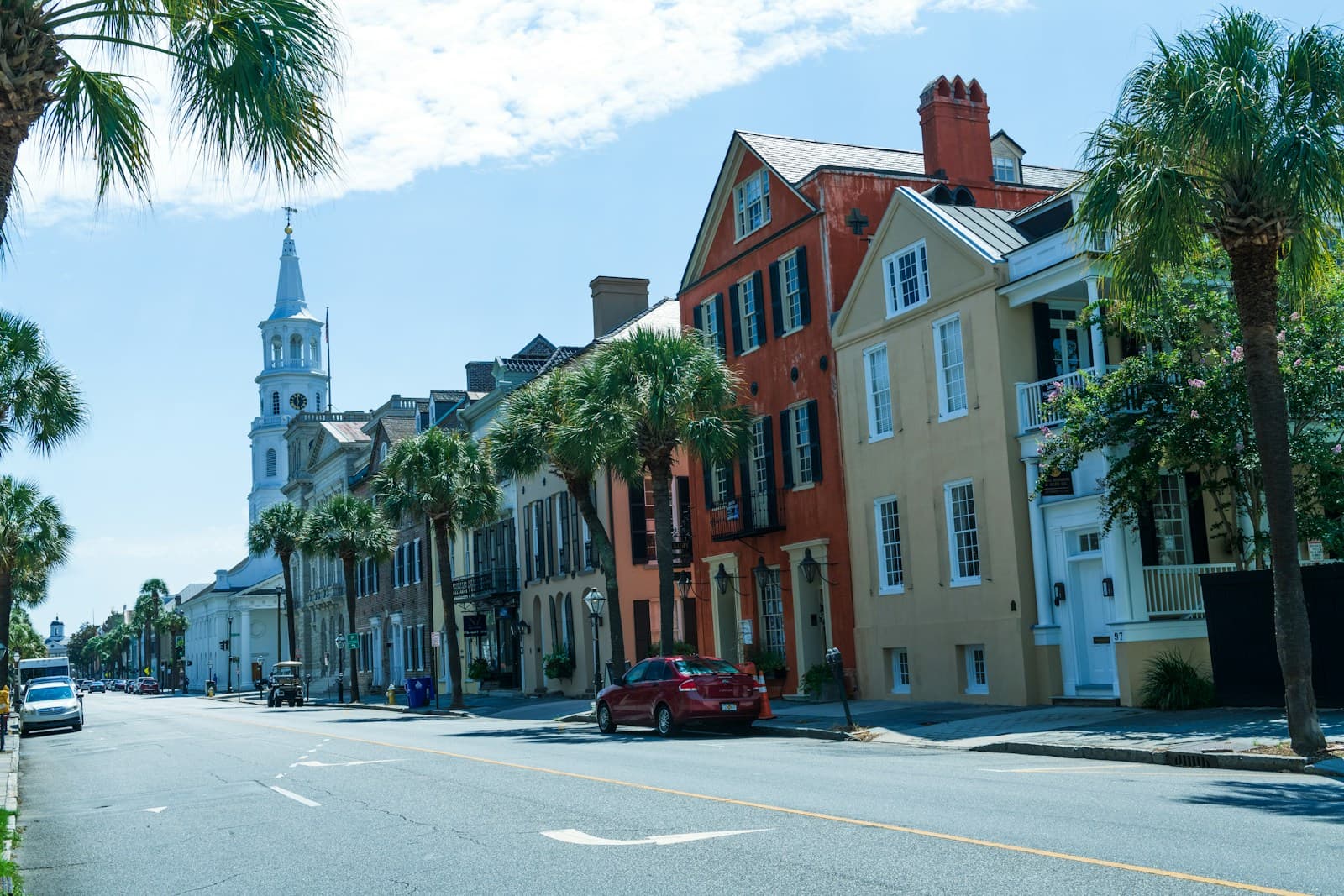
What Affects Rates in North Charleston
- Interstate 26 Corridor Density: The I-26 corridor through North Charleston (mile markers 205–220) experiences heavy commercial and commuter traffic between Charleston and Columbia, creating elevated accident frequency that insurers factor into high-risk pricing models. Drivers with at-fault accidents in this zone face compounded premium increases due to location-specific claims history.
- Port and Industrial Traffic Patterns: North Charleston's concentration of port facilities, Boeing operations, and logistics centers generates constant heavy truck and shift-worker traffic along Dorchester Road, Rivers Avenue, and Montague Avenue corridors. High-risk drivers working or commuting in these industrial zones typically see 8–15% higher premiums than suburban Charleston County addresses due to collision exposure rates.
- Uninsured Motorist Concentration: Charleston County's uninsured driver rate exceeds South Carolina's state average of 11.7%, with concentrations in North Charleston ZIP codes. This elevates uninsured motorist coverage costs for high-risk drivers by 12–18% compared to lower-density coastal suburbs, as carriers price for increased hit-and-run and underinsured claim risk.
- Coastal Storm Exposure: North Charleston's location 15–20 miles inland from barrier islands still subjects vehicles to hurricane evacuation route congestion and tropical storm flooding along low-lying areas near the Ashley and Cooper River tributaries. Comprehensive coverage for high-risk drivers costs 10–14% more than upstate South Carolina cities due to storm-related claims frequency.
- Municipal Court DUI Processing: North Charleston Municipal Court processes DUI cases with administrative license suspension coordinated through the South Carolina DMV, triggering immediate SR-22 filing requirements. The 6-month suspension period for first DUI offenders creates a coverage gap that, if not maintained with non-owner SR-22 policies, extends the 3-year filing requirement and doubles reinstatement costs.
Compare rates from carriers that work with drivers who have points
Standard carriers surcharge heavily after violations. These specialists price your specific record differently.
Get Your Free QuoteCoverage Recommendations
Cost estimates are based on available industry data and vary by driver profile. These are not insurance quotes.
SR-22 Insurance
SR-22 is a certificate filed by your insurer with the South Carolina DMV proving you carry at least 25/50/25 liability limits. North Charleston drivers need continuous coverage for 3 years following DUI convictions, license suspensions, or serious violations — any lapse restarts the 3-year clock and triggers a $200 reinstatement fee plus new SR-22 filing costs.
$50–$65 filing fee plus 40–120% premium increaseEstimated range only. Not a quote.
Non-Standard Auto Insurance
Non-standard carriers specialize in writing policies for drivers with DUIs, multiple violations, or lapses that standard insurers decline. In North Charleston, these carriers price based on Charleston County accident density and your specific violation history, with monthly premiums typically $150–$280 for state minimum liability and $220–$450 for full coverage with comprehensive and collision.
$150–$280/mo liability; $220–$450/mo full coverageEstimated range only. Not a quote.
Liability Insurance
South Carolina requires 25/50/25 minimum liability coverage ($25,000 per person/$50,000 per accident bodily injury, $25,000 property damage). High-risk drivers in North Charleston should consider 50/100/50 or 100/300/50 limits given the area's above-average uninsured driver rate and I-26 corridor multi-vehicle accident exposure — insufficient limits after an at-fault crash can trigger wage garnishment.
25/50/25 minimum; 50/100/50 recommended for high-risk driversEstimated range only. Not a quote.
Uninsured Motorist Coverage
Given Charleston County's uninsured driver concentration above the state's 11.7% average, uninsured/underinsured motorist coverage (UM/UIM) protects high-risk drivers from out-of-pocket costs when hit by drivers with no insurance or insufficient limits. North Charleston drivers typically pay $18–$35/month for 50/100 UM/UIM coverage, which is especially critical if you've already paid reinstatement fees and can't afford another uncovered loss.
$18–$35/mo for 50/100 UM/UIM limitsEstimated range only. Not a quote.